
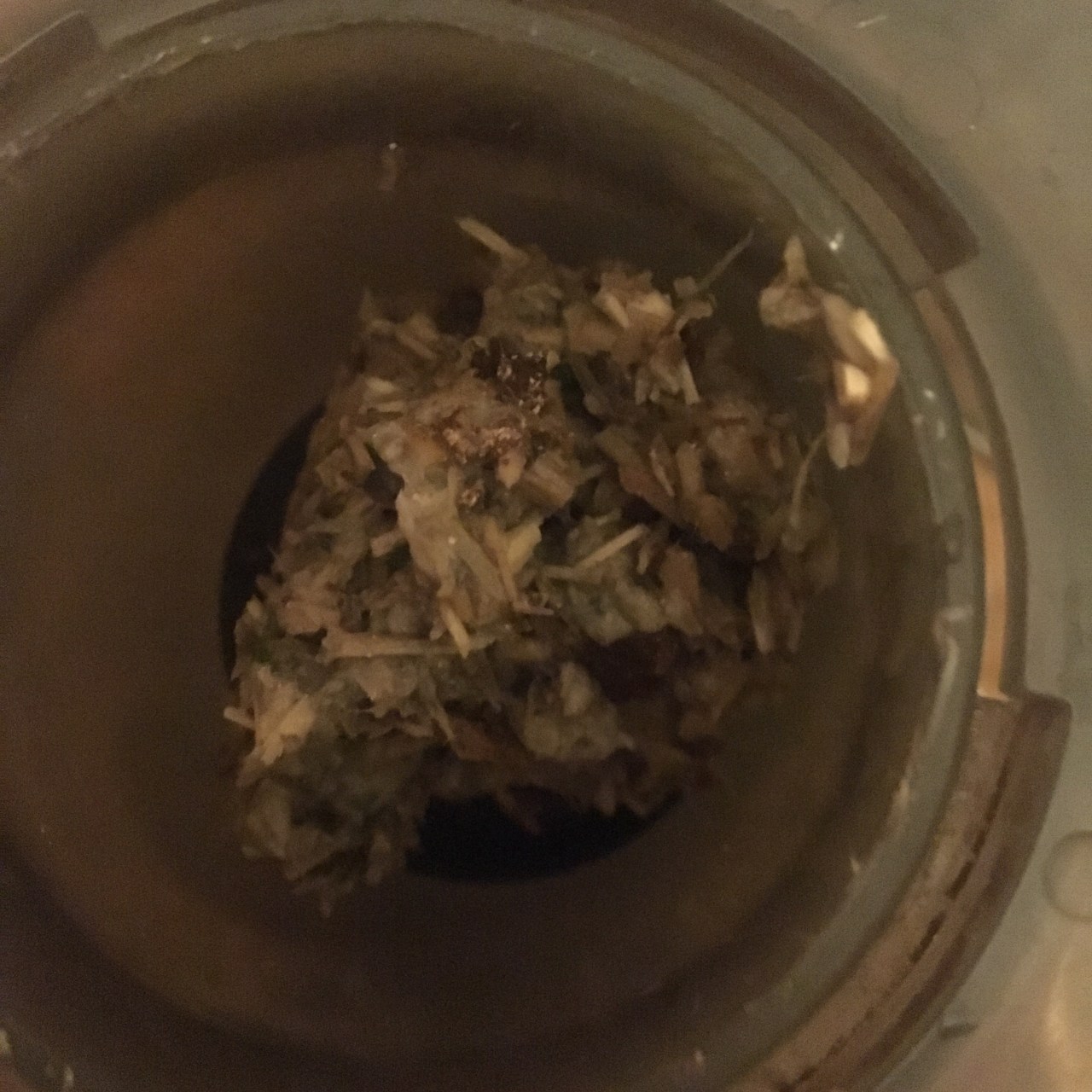
This page of my Sketchbook shows the process of modeling with cardboard from previously used packaging.
I specifically used the cardboard from food packaging as this material is low-grade, and although technically it is recyclable, often isn’t because the cost of process out-weighs the value of the material before and after process. After all remember a company has to want to buy the material, in this case a paper mill. ( one hero story of laminated cardboard being recycled is the coffee cup, this lead to this experiment and modeling)
My experiment worked the cardboard pulped down within the 20 minuets ( this is within industry standard time for paper to pulp), The board became an addition the modelling and worked when creating a shape.
The board was dropped in the design when I came to testing the burn quality. I found the board inhibited the burning of the tray prototypes, and created excess ash.
After discussions with George May CCO of Bio – Bean It was noted that keeping the ash to minimum and the burn clean is paramount when designing an SRF fuel. SRF is the aim of the burn quality. ( George May has been fantastic through the project, I am waiting on feedback from a prototype tray)
Board recycled at home and pulped
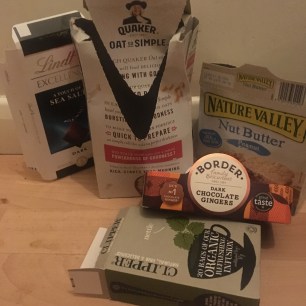
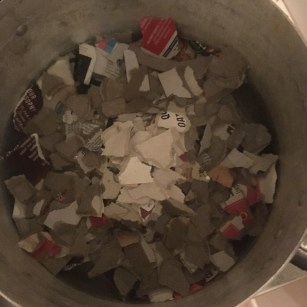
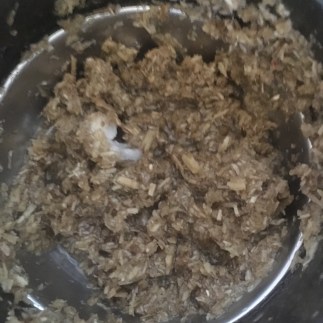
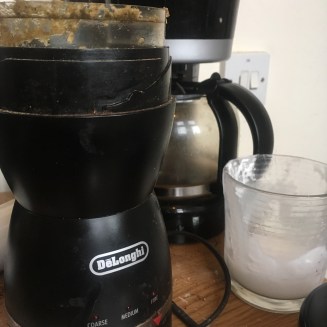
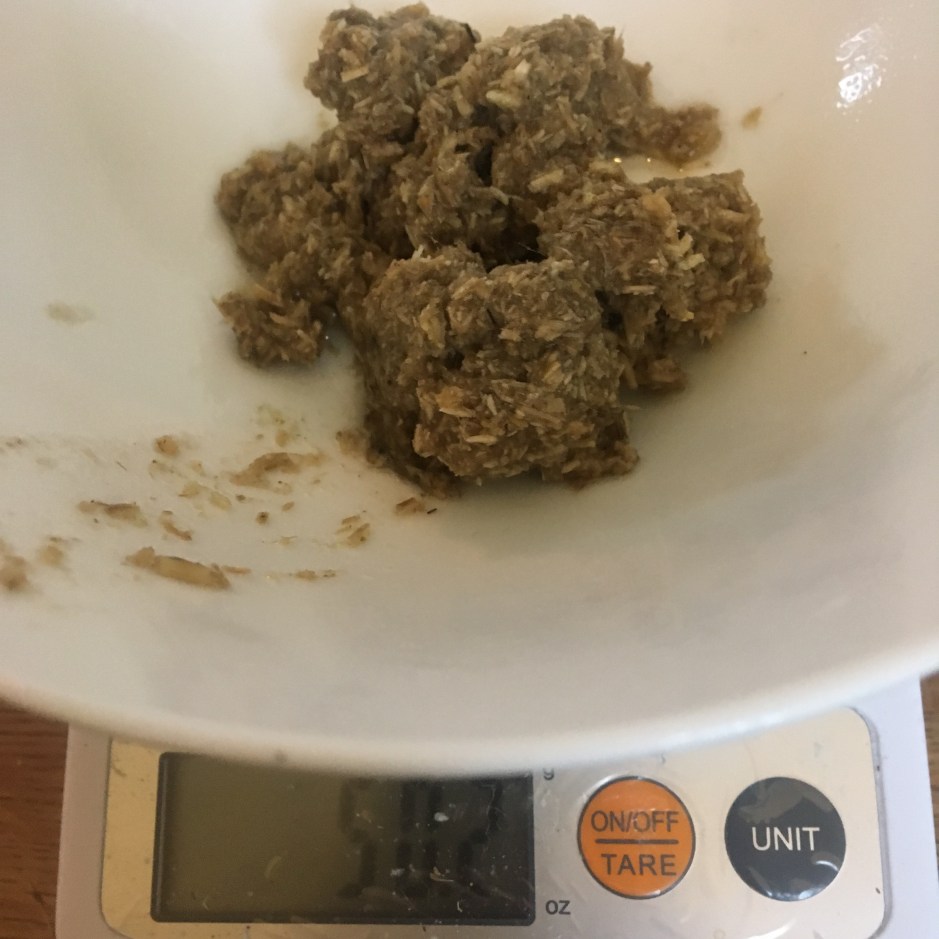
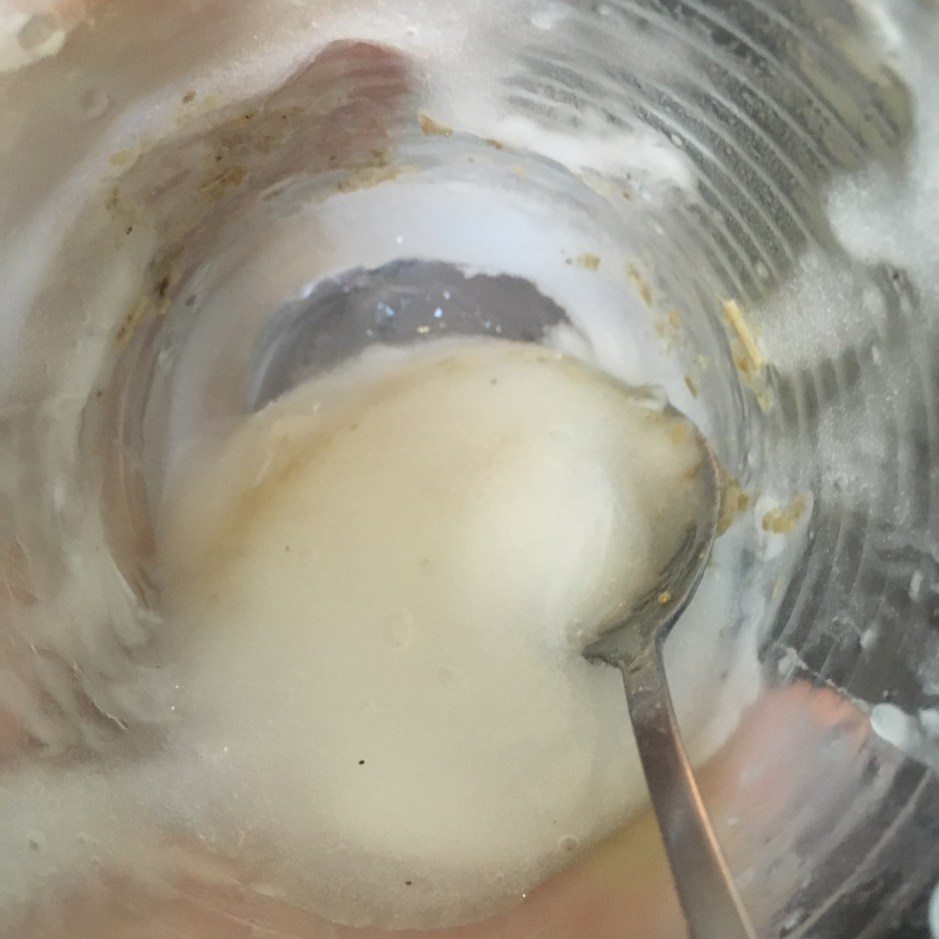
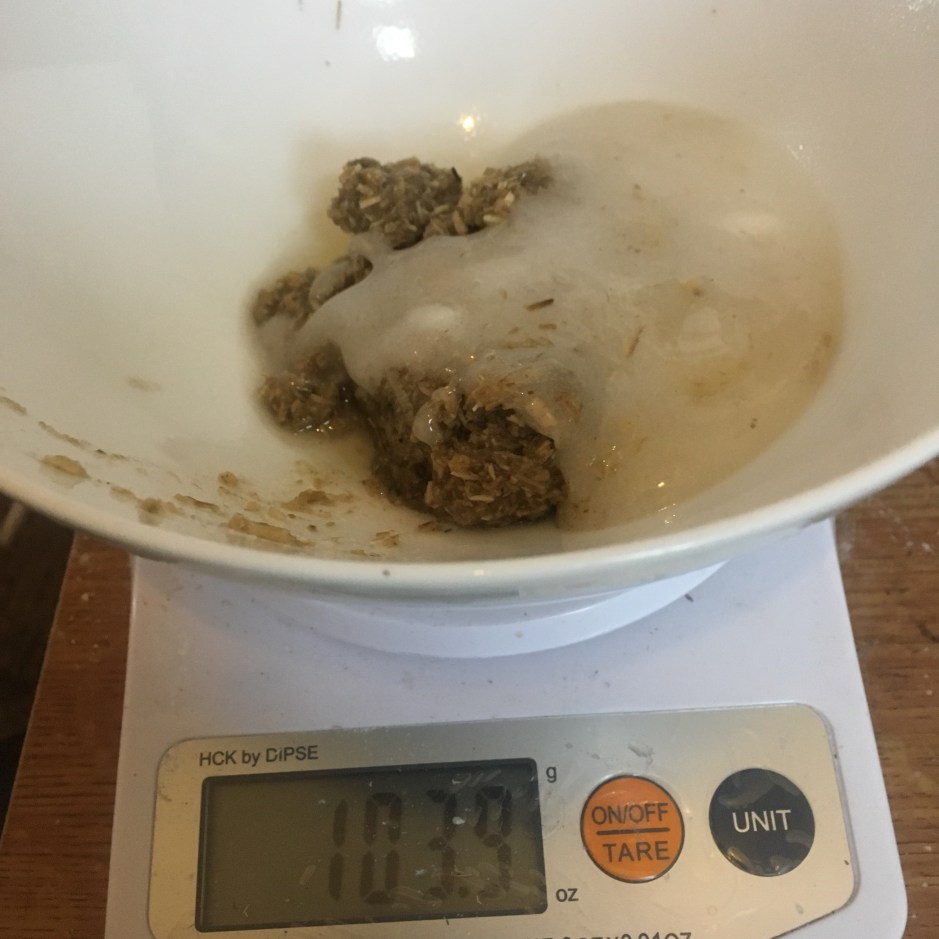
The following images show pulping of board, grinding of hemp, mixing with a starch polymer and then finally the use of an Aero Press to form a brick so that I can go on to test the burn quality of the material.
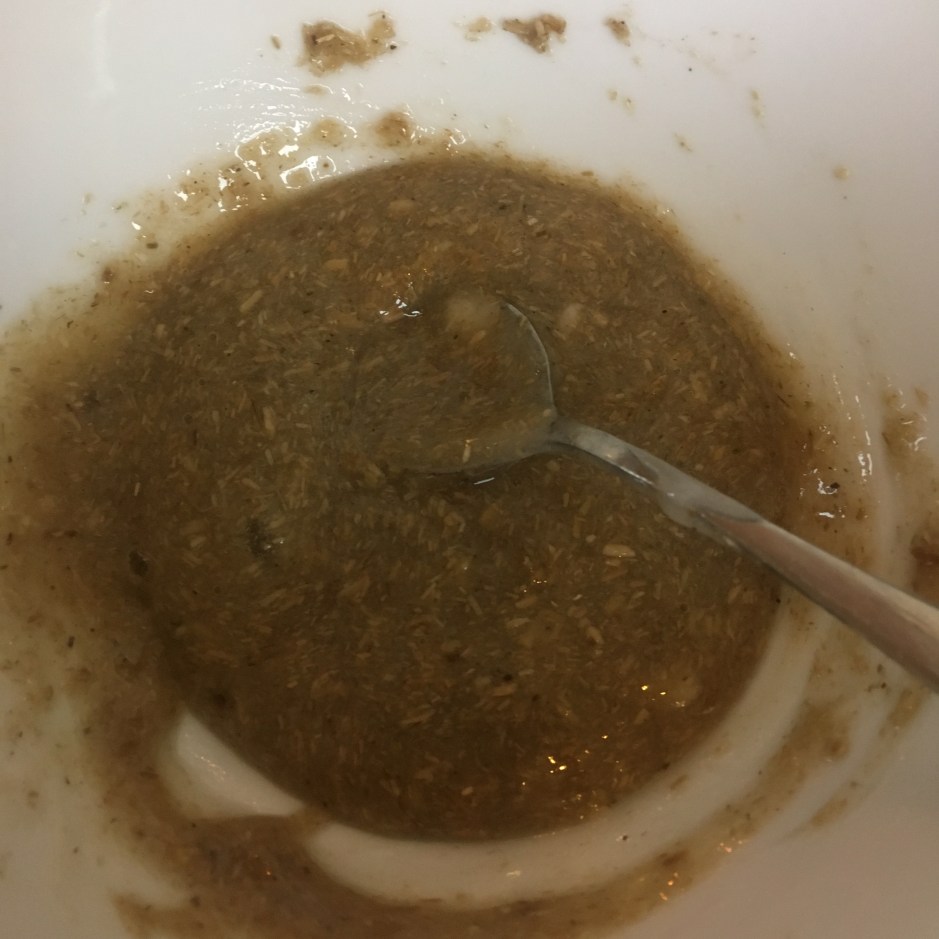
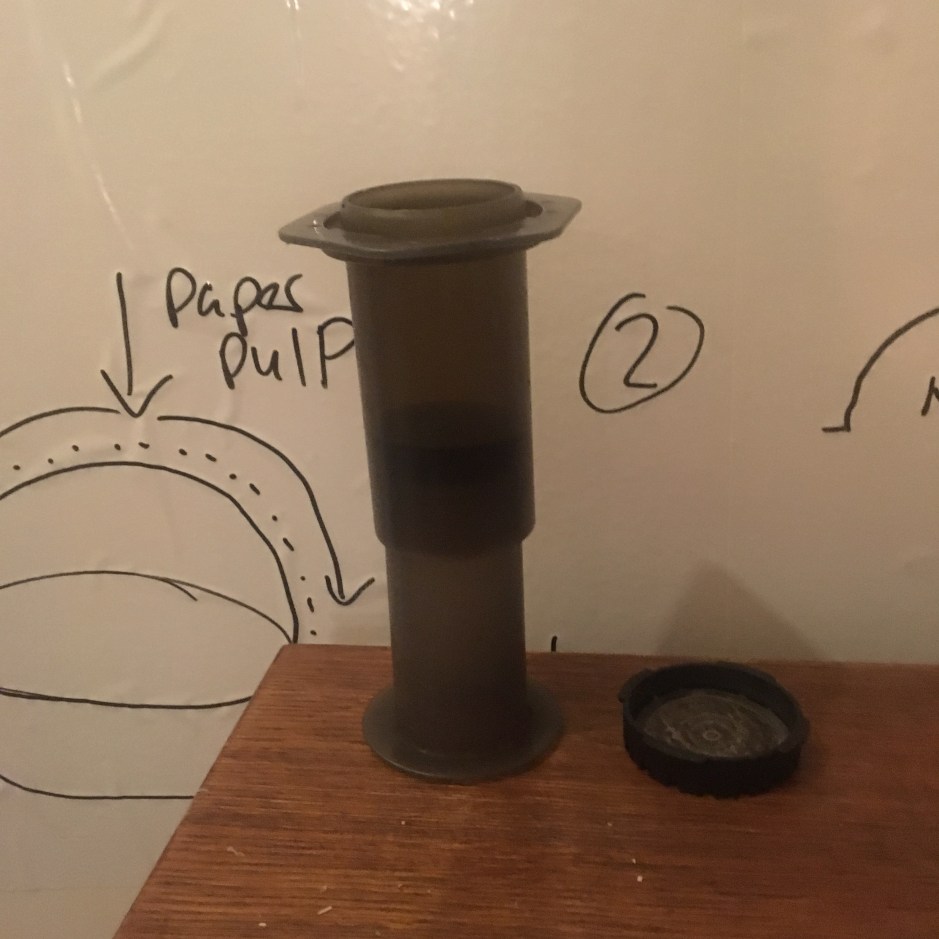
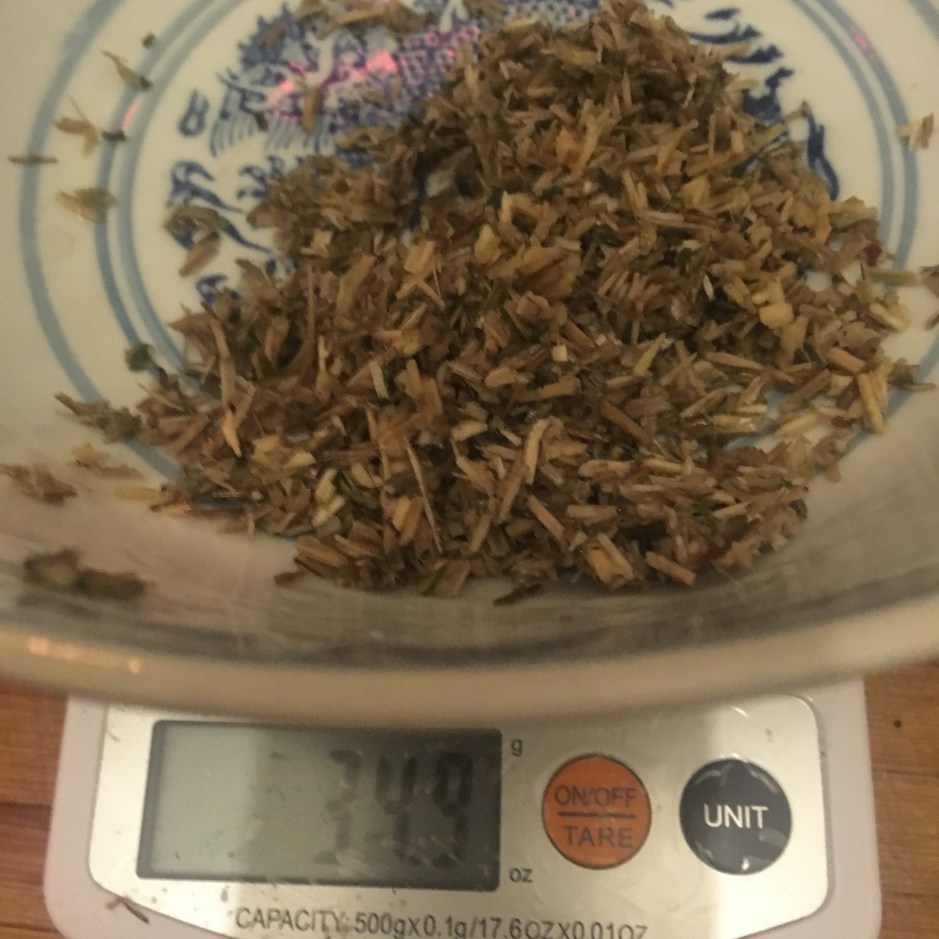
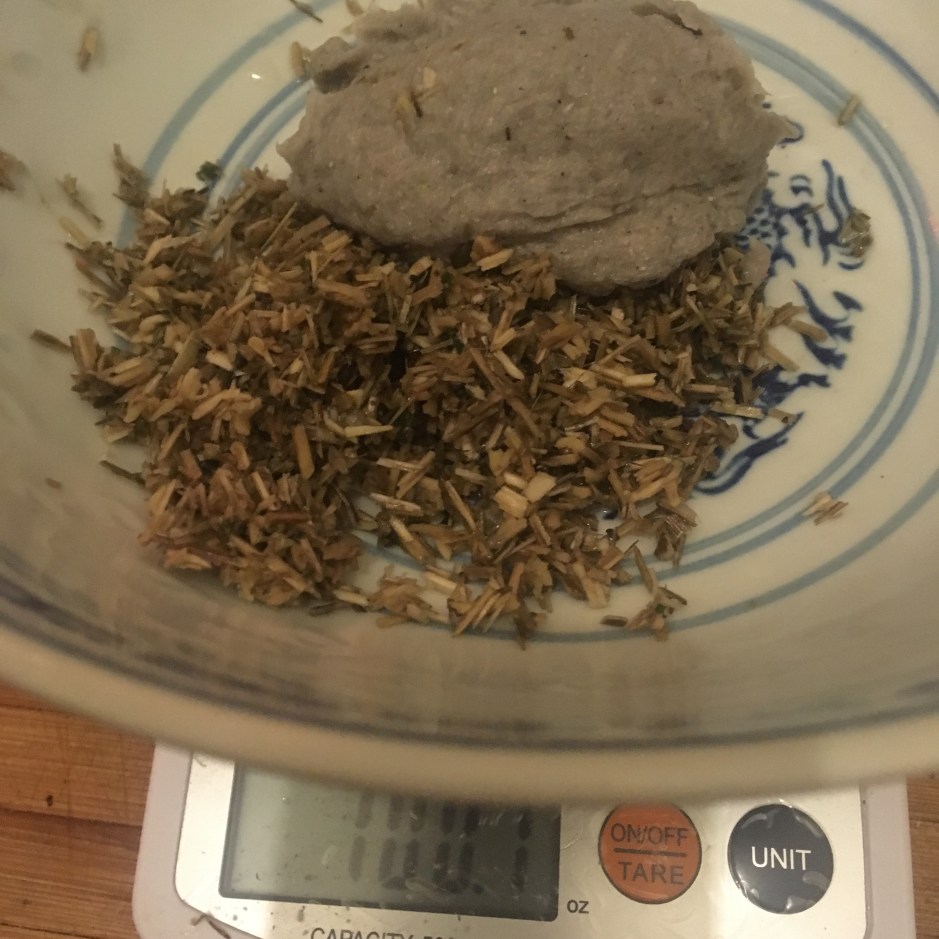
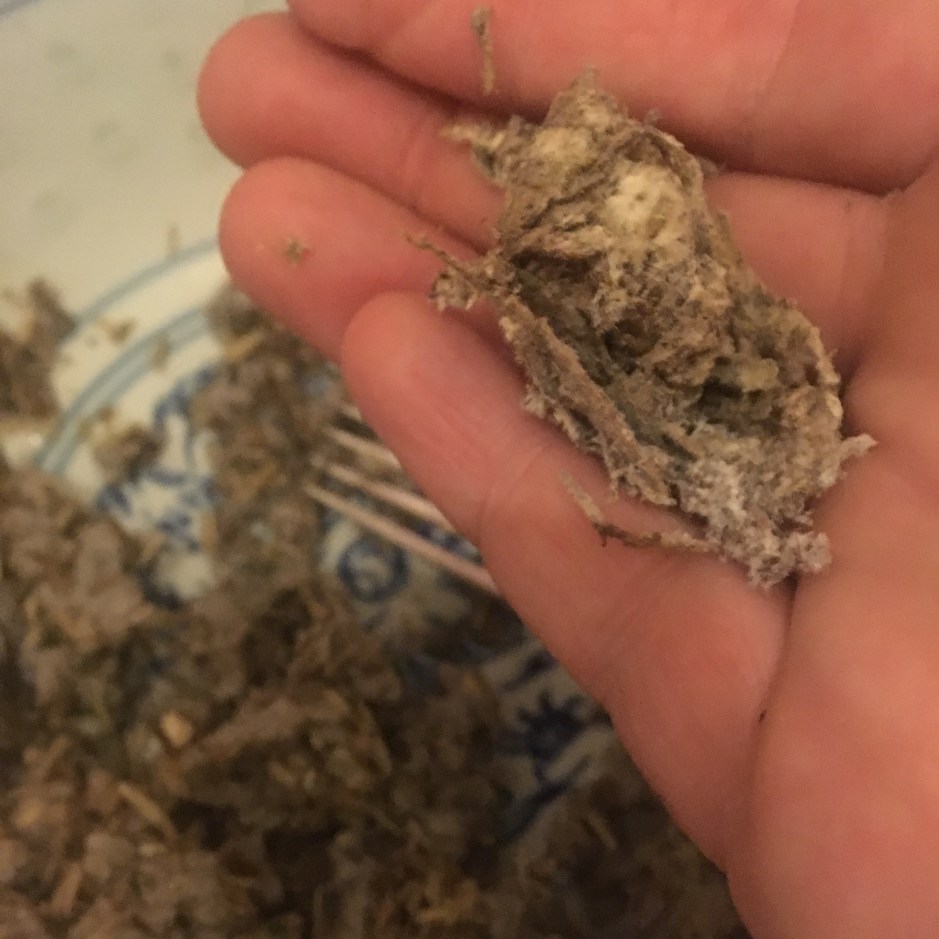
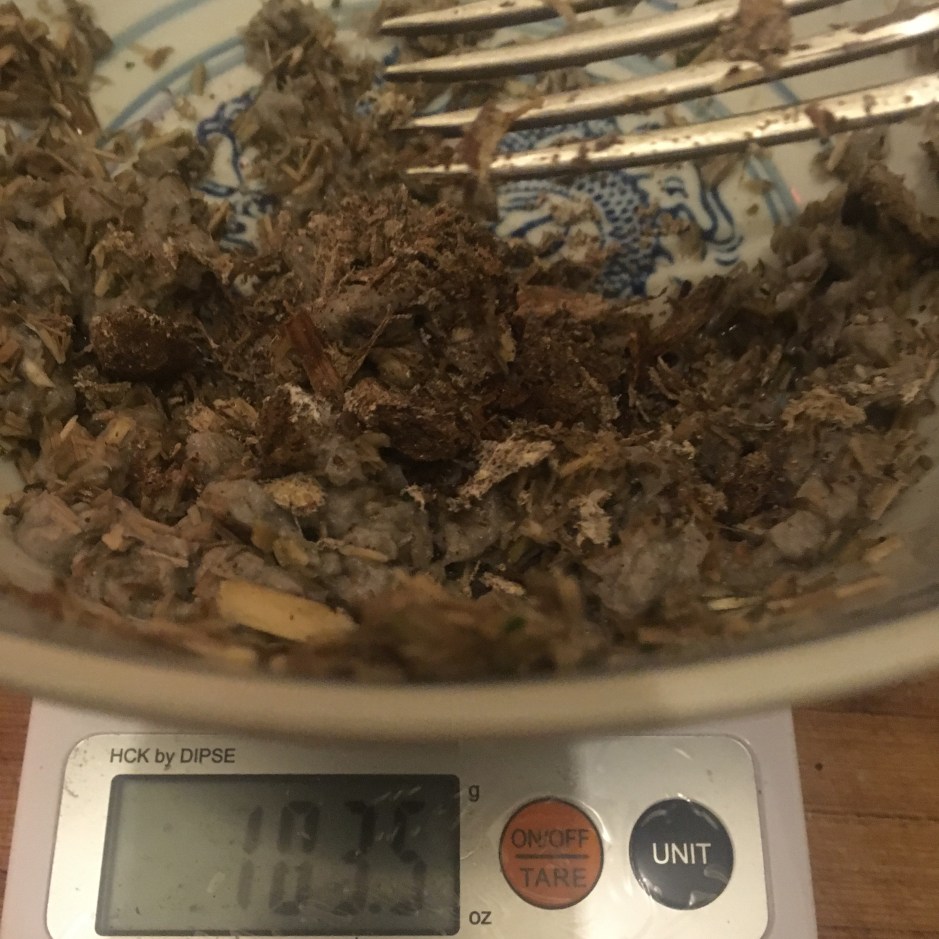
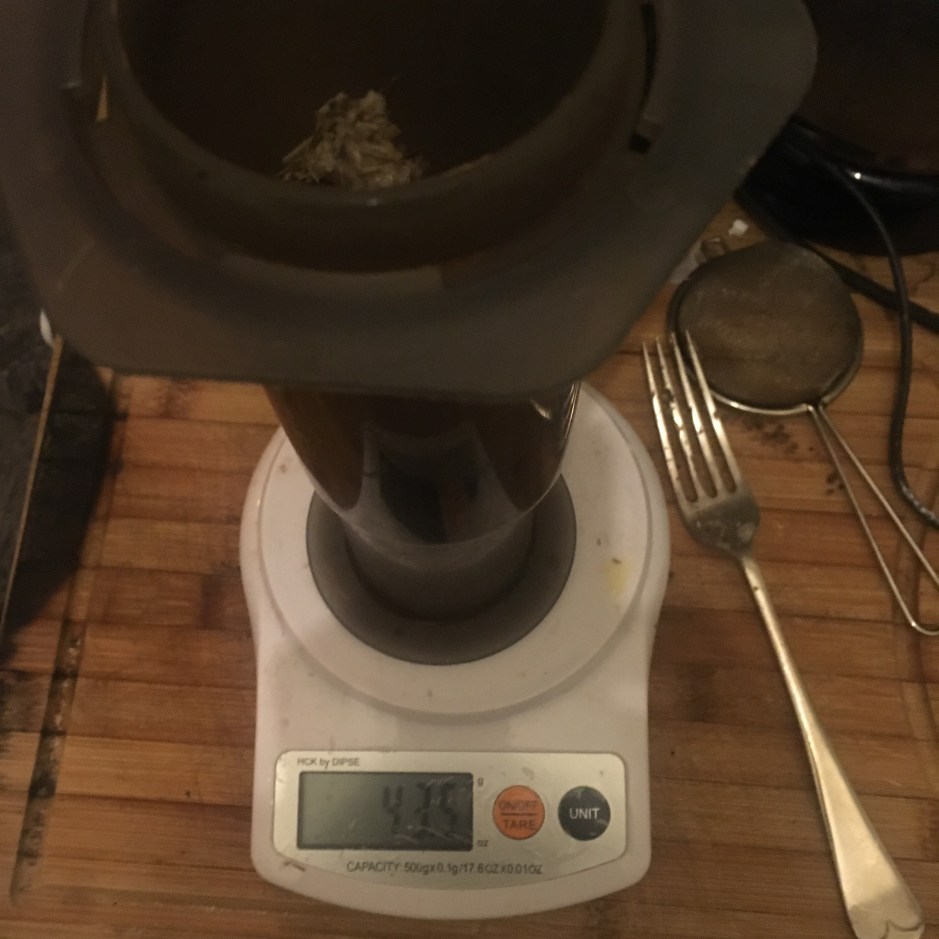
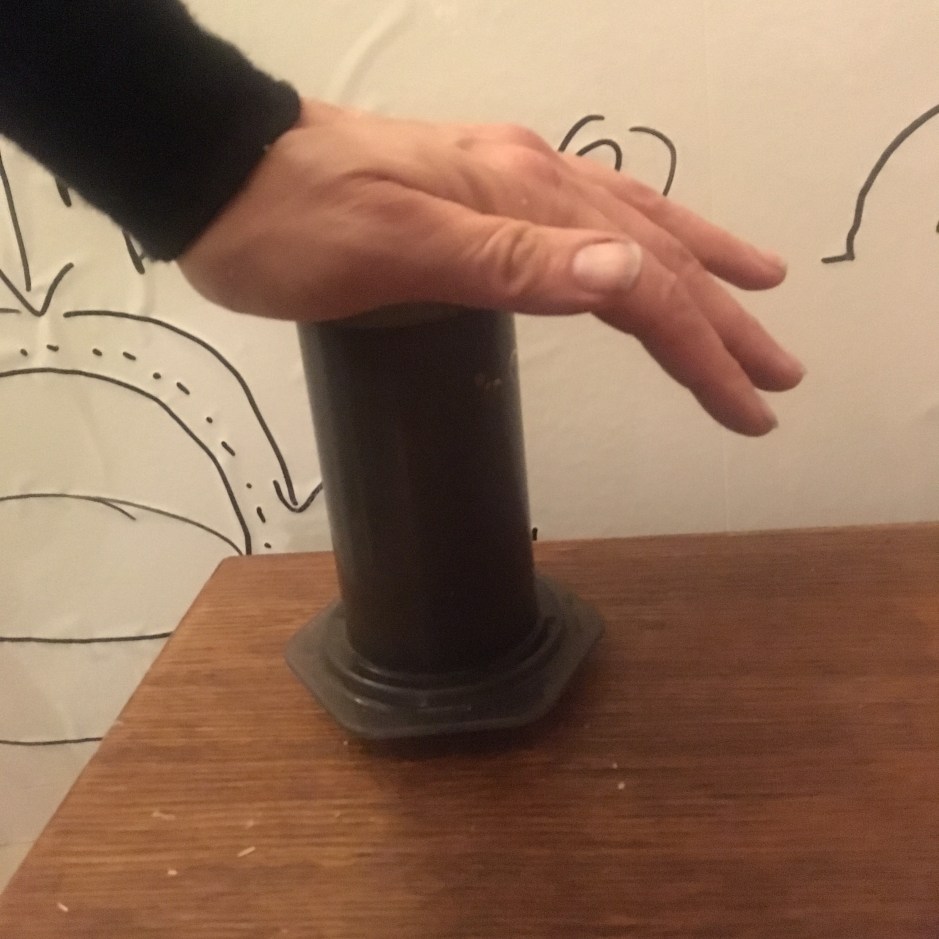
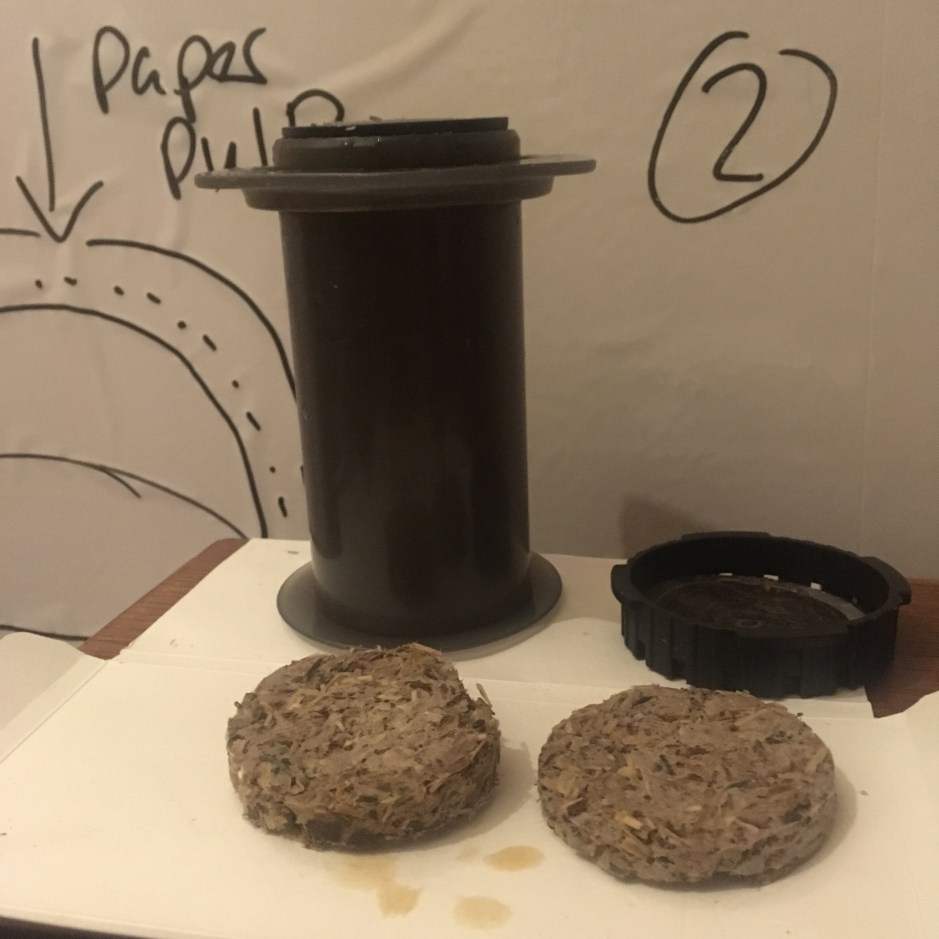
Finished prototypes… These early models went on to influence initial designs of a manufacturing tool, made in the workshop. These early modeling techniques isn’t that fare away from a potential future manufacturing technique of the tray.
I tested the burn in a wood burning stove.
 feet1st
Pingback: CCS Jayne Cunningham Project 2 Year 3 IAM Fuel Packaging designed for purpose | feet1st