Waste to resources – Valentine’s Day special
We all love Chocolate! What about the waste?
https://www.sciencedirect.com/science/article/abs/pii/S0963996918301273
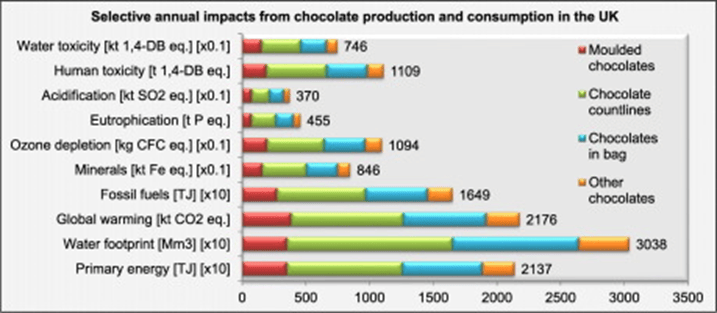
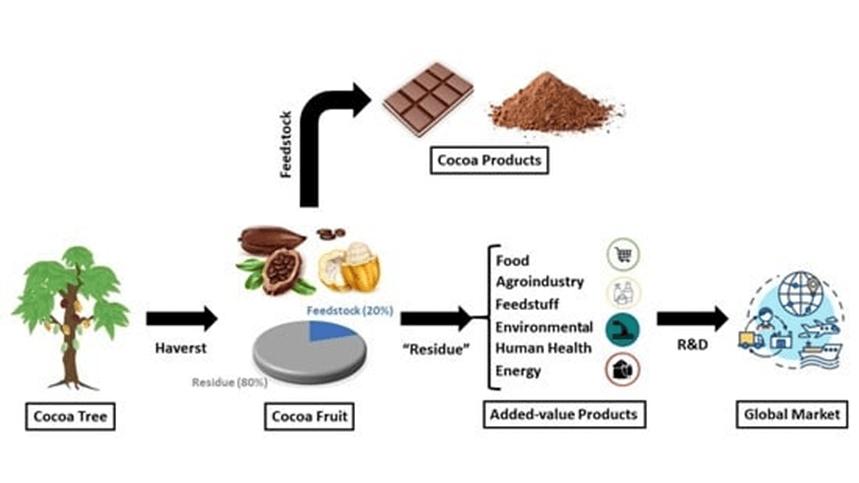
Despite the significant role that cocoa production plays in the global economy [ for chocolate], especially for farmers in West Africa, the wastage associated with cacao by-products represents not just an economic challenge but also an environmental threat.
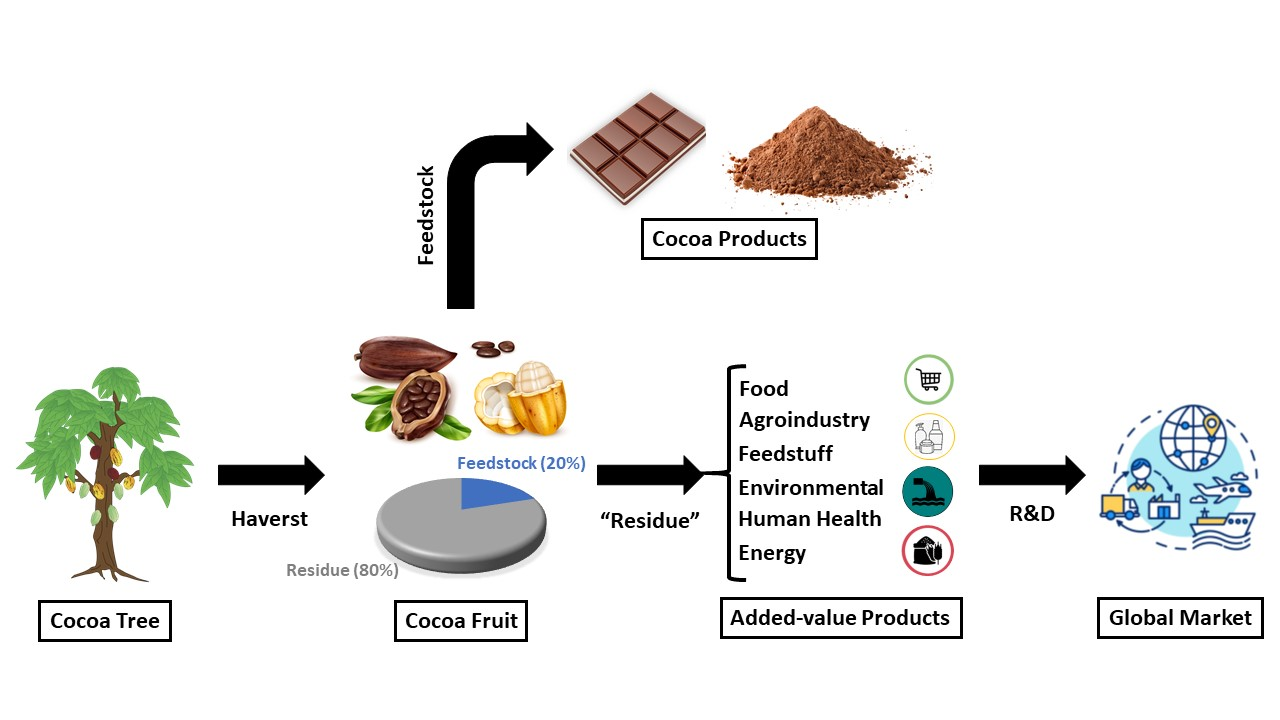
However, there is a transformative opportunity to recover value from the byproducts by repurposing them in innovative ways.
History proves we can re-invent anything we can imagine.

Star Trek communicator toy, 1994–1996
Science Museum Group Collection
Chocolate/Cocoa Byproducts
Husk/shell
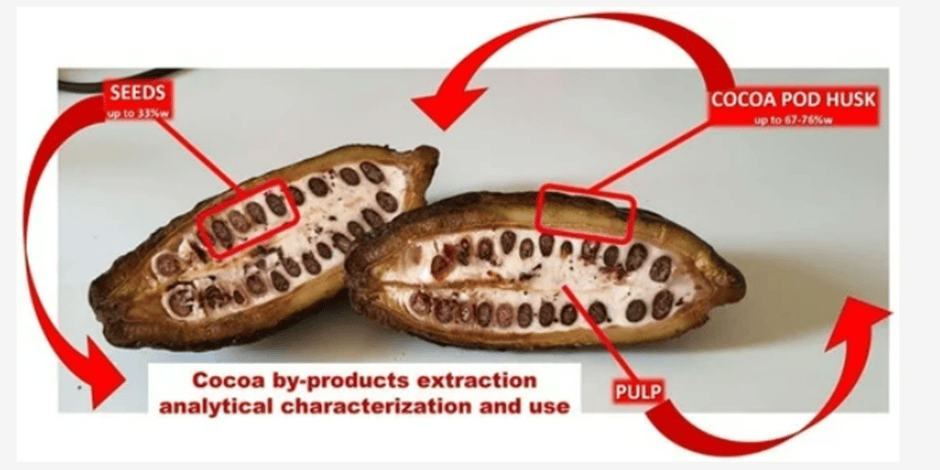
Cacao Husk; The outer shell of the cacao fruit is often discarded, though it can be repurposed as a natural mulch in agriculture, contributing to soil improvement and moisture retention.
You can find this in your local garden center, or even have it delivered to your door through an Amazon purchase.
Although in one breath, I believe working as a global community to solve issues is a positive step forward in the next breath when considering soil health and also biodiversity, I believe keeping the mulching materials local is best!
Because mulch is alive, I think moving it across continents has impacts beyond our thinking.
After all, mulch is a home for lots of beneficial little things. If the mulch is placed in a different environment my thinking is this may create an imbalance weakening the local environment’s immune system and opening the area to disease.
A Google search will tell you husks can be repurposed as animal feed and inform you the husks are toxic to some animals, so in my mind, this poses some questions!
Is the toxicity going to challenge or benefit the local biodiversity if it’s eaten- or when it’s broken down into micro-organisms?
Cacao pod husks can be dried and pulverized into a powder or flour used in human food production. With its high fiber and water-soluble pectin content, cacao pod husk flour has been substituted for starch in sausagesand added to bread to increase fiber content. Blue Stripes Urban Cacao uses the husk as “Cacao Shell Fiber” in its chocolate bars, trail mix, and granola.
If my network has further research I’d be interested to understand if there are long-term negative effects.
After all, we are what we eat!
Eat right for your type a 20-plus-year-old study is worth a look.
https://www.4yourtype.com/?srsltid=AfmBOooaKqnEtuTUGG_cuyW2jMKHudjdP-JZ7SXvbO1UxUrOhoe2E3yR
Dried cacao pod husks contain about 40% potash after they are burnt. This can be a source of alkali for soap makingand potash fertilizer.
This use of the byproduct will release carbon into the atmosphere. Please see the previous newsletter for solutions on carbon capture.
Pulp:
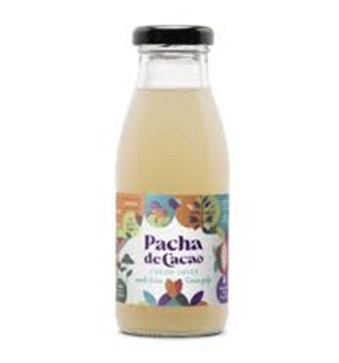
https://cocoarunners.com/chocopedia/cocoa-pulp-drink-of-the-gods/
https://www.linkedin.com/in/marikavansantvoort/
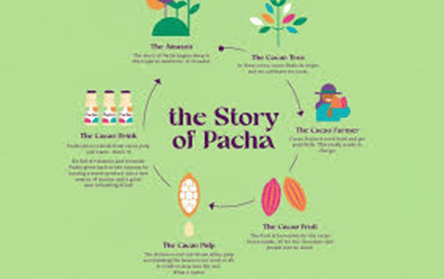
The sweet pulp surrounding cocoa beans/seeds, is rich in sugars and can be fermented for use in beverages or as a natural sweetener, tapping into the growing market for health food and drinks products.
Beverages: In cacao-growing regions, the pulp is used to make refreshing drinks, juices, and even alcoholic beverages like cacao wine or brandy due to its sweet, tropical flavor.
Fermentation: The pulp plays a key role in the fermentation process of cacao beans, which is essential for developing the flavors in chocolate.
Food Products: Cacao pulp can be used to make juice, popsicles or added to smoothies, yogurts, and desserts for a natural sweetener with a tropical twist.
Snacks: The pulp can be dried to make a fruit leather or freeze dried to make a sweet, crunchy snack.
Natural Sweetener: Due to its high sugar content, it can be dried and powdered to make a natural sweetener that can be used in recipes, reducing the need for refined sugars.
Cosmetics: Cacao pulp’s antioxidants and nutrients make it useful in skincare products, where it is sometimes added for its hydrating and anti-aging properties.
Economic Benefits and job creation
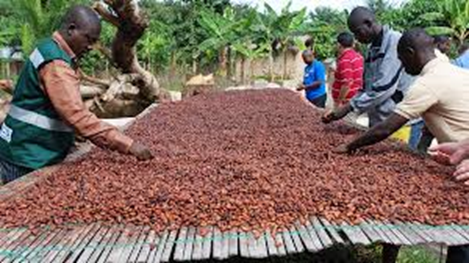
Repurposing cacao by-products can significantly enhance the economic landscape for cocoa farmers by creating products from cacao waste, farmers can tap into new markets, increasing their income rather than losing out on discarded materials, whilst reducing the environmental impact and toxicity wash-off.
Developing processing facilities for these byproducts can lead to job creation in rural areas, contributing to local economies.
Environmental Benefits and Sustainable Practices
Addressing the waste problem in cocoa production can yield marked environmental advantages.
Pollution Reduction: By recycling waste, the environmental footprint of cocoa production diminishes, leading to less pollution and improved local ecosystems.
Soil Health: Utilizing byproducts as organic fertilizers can enhance the local soil health and crop yields, promoting sustainable agricultural practices.
Biodiversity: Reducing waste through proper management can curb detrimental insect populations and pathogens, fostering a healthier environment for cacao trees.
Conclusion
The cocoa industry is highly significant not only for economic growth but also for its environmental impact. The strategic utilization of cacao by-products offers an opportunity to mitigate waste issues, drive economic growth, and promote sustainability. By recognising the value of every component of the cacao fruit, stakeholders can work toward a more resilient and equitable cocoa supply chain that benefits farmers, consumers, and the environment alike. Promoting innovative recycling and repurposing ideas is essential for building a healthier planet and a sustainable industry for future generations.
Thank you for reading this article about the dark side of chocolate production.
Feedback is always welcome.
Jayne Cunningham
 feet1st