
Why Perennial Gardens Could Be the Future of Sustainable Living
In a recent LinkedIn post, I asked: Can we make sustainability sexy!?
The post attracted more comments and attention than any other I’ve shared, some supportive and others steering the conversation back to the meaning of sustainability: living within Earth’s boundaries.
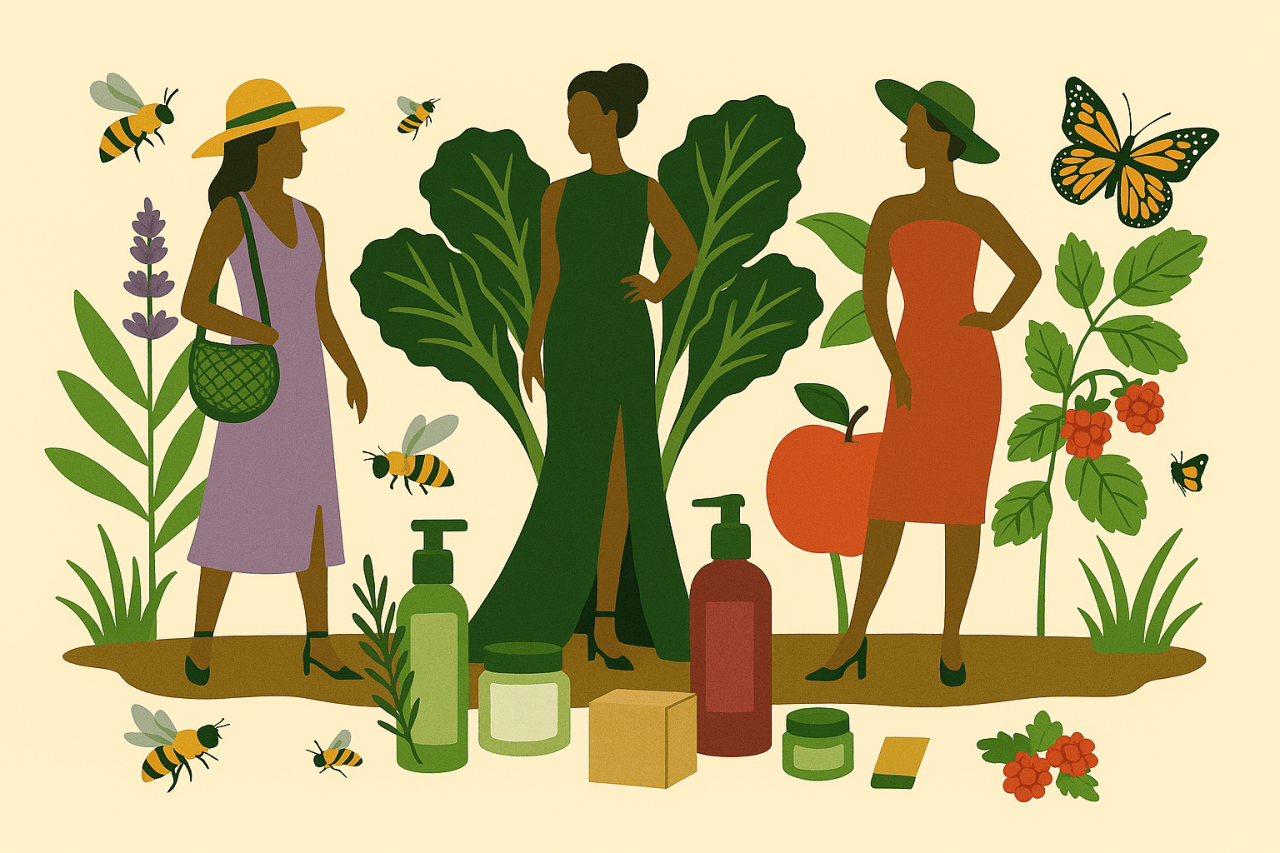
As we step into a new year, let’s talk about something that blends beauty, resilience and sustainability and personal attainable action: edible perennial gardens.
Unlike annual crops that demand replanting every season, perennials return year after year, offering food, colour and ecological benefits with minimal effort, minimal soil disruption and with that supporting our eco systems in a small but potentially meaningful way on a local scale.
Think rosemary, mint, kale, apples and berries, plants that keep giving.
Feel free to download an absolutely free resource!
Importantly, this is something all of us can engage in, whether in small spaces, larger gardens or community spaces.
Alongside their planetary benefits, plants also offer us time and space to relax, opportunities to ground ourselves and prepare for those moments when mental dexterity is needed to feel like ourselves.
Why Native Plants Matter for Biodiversity
Native perennials are biodiversity champions.
They’ve evolved alongside local ecosystems, offering nectar for pollinators, shelter for insects and stabilising soil.
Some species, like wild thyme, sage or native blueberries, act as keystone species, plants that hold ecosystems together by feeding pollinators, hosting caterpillars and creating habitats for countless other organisms.
These are the unsung heroes of our landscapes and gardens.
I’d love to see the British public use their gardens to rewild Britain and create nature corridors.
‘Researchers plotted 25.8 million gardens in Great Britain, amounting to 959,800 hectares or 4.6% of the total land area. The provision of gardens and green space varies across the UK, with 41% of London’s total area categorised as garden, compared to just 27% of Cardiff, 25% of Edinburgh and 19% of Leeds.’
[https://www.rhs.org.uk/science/articles/uk-state-of-gardening-2025-report-released.]
What Is a Perennial Garden?
A perennial garden is a collection of plants that live for multiple years, providing continuous harvests and reducing the need for constant soil disturbance.
This approach not only saves time but also nurtures healthier soil, conserves water and supports local wildlife.
The Hidden Potential: Natural Dyes
Here’s where it gets creative: many of these plants double as sources of natural dyes.
Rosemary yields golden yellows and mossy greens; mint creates earthy tones and berries like blackcurrant and raspberry produce vibrant pinks and purples.
Imagine replacing synthetic, solvent-heavy inks with plant-based colour systems, not just in home crafts but as inspiration for the print industry, which is currently locked into petrochemical inks for flexographic printing.
A shift in mindset at home can ripple outward, challenging industries to rethink sustainability.
Keystone Species: The Unheard Heroes
Keystone species are the backbone of ecosystems. Their presence ensures balance and diversity. For example:
- Wild Thyme: Stabilises soil and supports over 20 pollinator species.
- Mint: Prevents erosion and provides nectar for butterflies and bees.
- Blueberries: Host plants for hundreds of caterpillar species and vital food for birds and mammals.
- Sage: Provides habitat and food for pollinators and wildlife in dry ecosystems.
- Hawthorn: A native UK shrub that offers nectar for insects, berries for birds and shelter for small mammals, making it a cornerstone of hedgerow biodiversity.
Without these plants, entire food webs could collapse. By planting them in our gardens, we’re not just growing food, we’re safeguarding biodiversity.
Why This Matters
Every perennial you plant is a vote for a healthier planet. It’s food security, craft creativity and ecological restoration rolled into one. By choosing native species and exploring their full potential—from cooking to dyeing—we reconnect with nature and spark innovation beyond the garden gate.
Ready to Start?
This year let’s celebrate these quiet champions—the plants that feed us, colour our world and keep ecosystems thriving. 🌿💚
What perennial will you plant first? I love Hawthorn, not just for its spectacular sauce that can be made from ripe berries, but for the pretty white flowers that attract humming insects. Please share your ideas and let’s grow a movement together!
 feet1st