
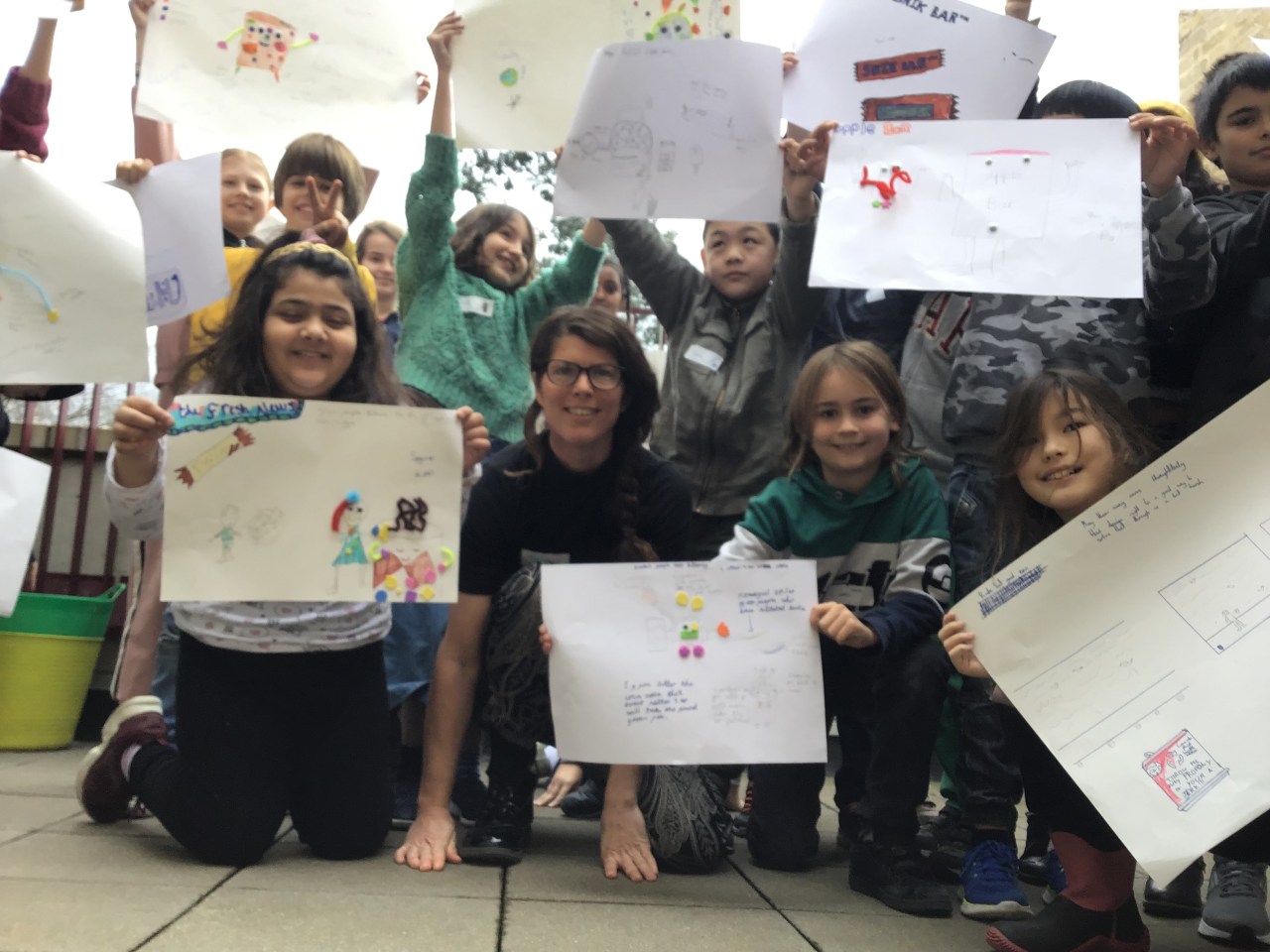
 I have worked for Coveris, on the board and labels division for a year. 5 months into my year-long contract, covering maternity leave, an opportunity to develop and deliver a workshop in a London primary school came about.
I jumped at the chance because responsible design is much more than recycling. It is designing for the end game, so what a perfect research opportunity to get into the young consumer mind.
Packaging has a purpose to protect its contents and protect the consumer, and also reduce food waste, which can have a positive impact on our consumer carbon footprint. However to enjoy the positives of packaging we must as designers, develop packaging to be easily recyclable, developing packaging to be part of a global circular economy, keeping valuable materials like wood pulp board, plastics and metals circulating so we use minimal raw materials.
A circular economy relies on consumers responsibly sorting their packaging waste which also reduces littering on land and bellow water.
We need more champion recyclers! So our packaging waste which is also a valuable resource, fuels the next generation of packaging, to then be collected recycled and used again, and again.
Taping into the powerful voices of U.K youth, we went back to school, to enlist the help of children to spread the word, packaging materials are a resource to be collected and used again, and again.
The workshop gave relevance to ‘why’ we need packaging? When is it good to have? and also how does packaging become litter!
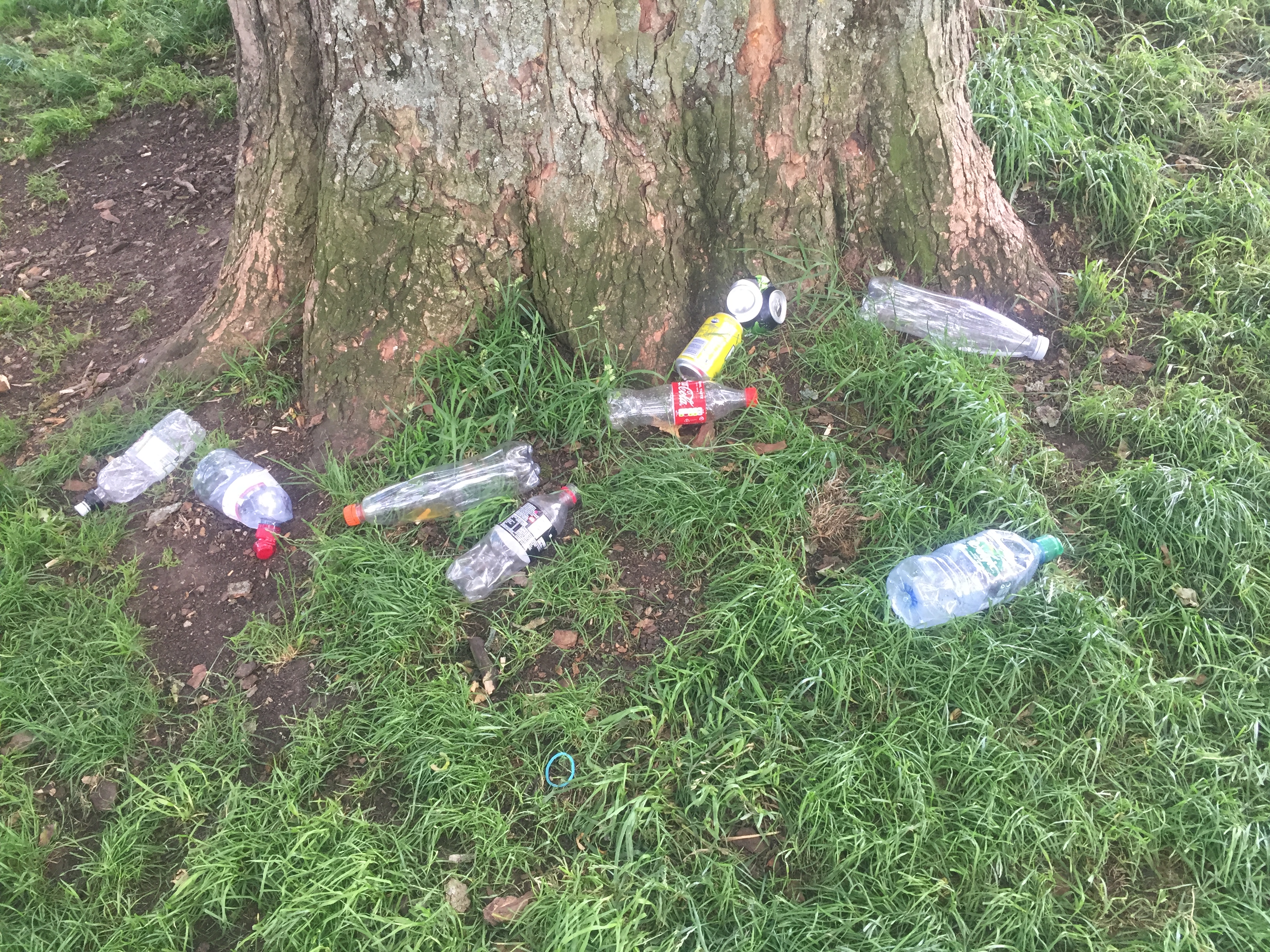
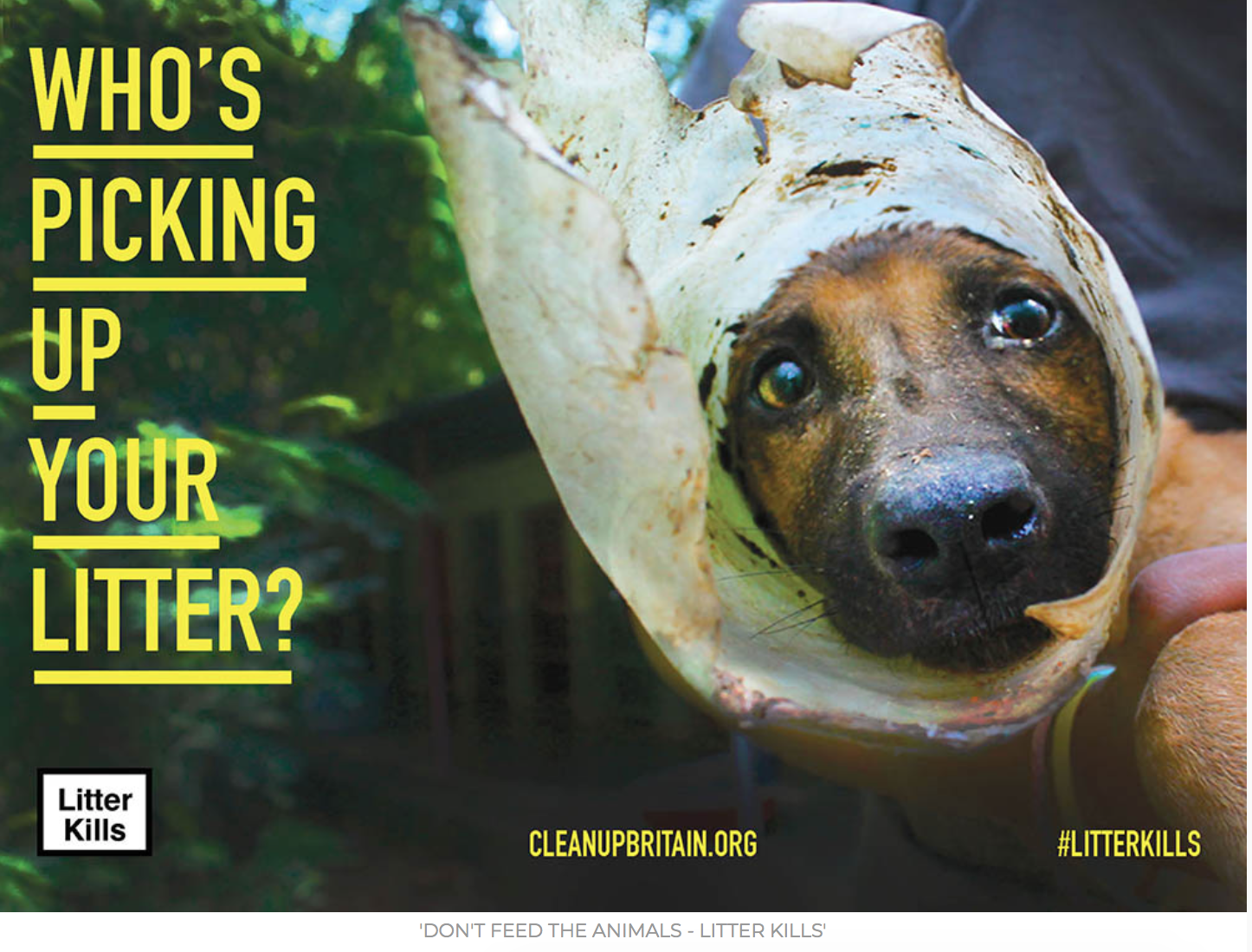
Thanks to the Blue Plant T.V program, Littering on land and below water is now an issue consumers are aware of, however, the perception is that the issue is elsewhere not in the U.K.
Now been a bit crafty, the children were given some homework and asked to do a litter pick in the week approaching the workshop. Highlighting how littered packaging affects the U.K.
After discussion with Sanjay Patel, it was decided that a workshop Icebreaker, had to include a little bribery, helping to secure the attention of a class of 9 ish year olds.
So a trip to the shops [thank you Coveris for sponsering] a selection of morning snacks, which got split between 30 kids = 6 groups of 5 children.
Their first challenge was to pick their favourite snack from the pile, thus placing them in their workgroup for the morning, and ensuring that they had breakfast, told you I was crafty 😉
So we’re good to go! energies high,.
A pile of litter – tick,
an example of packaging – tick.
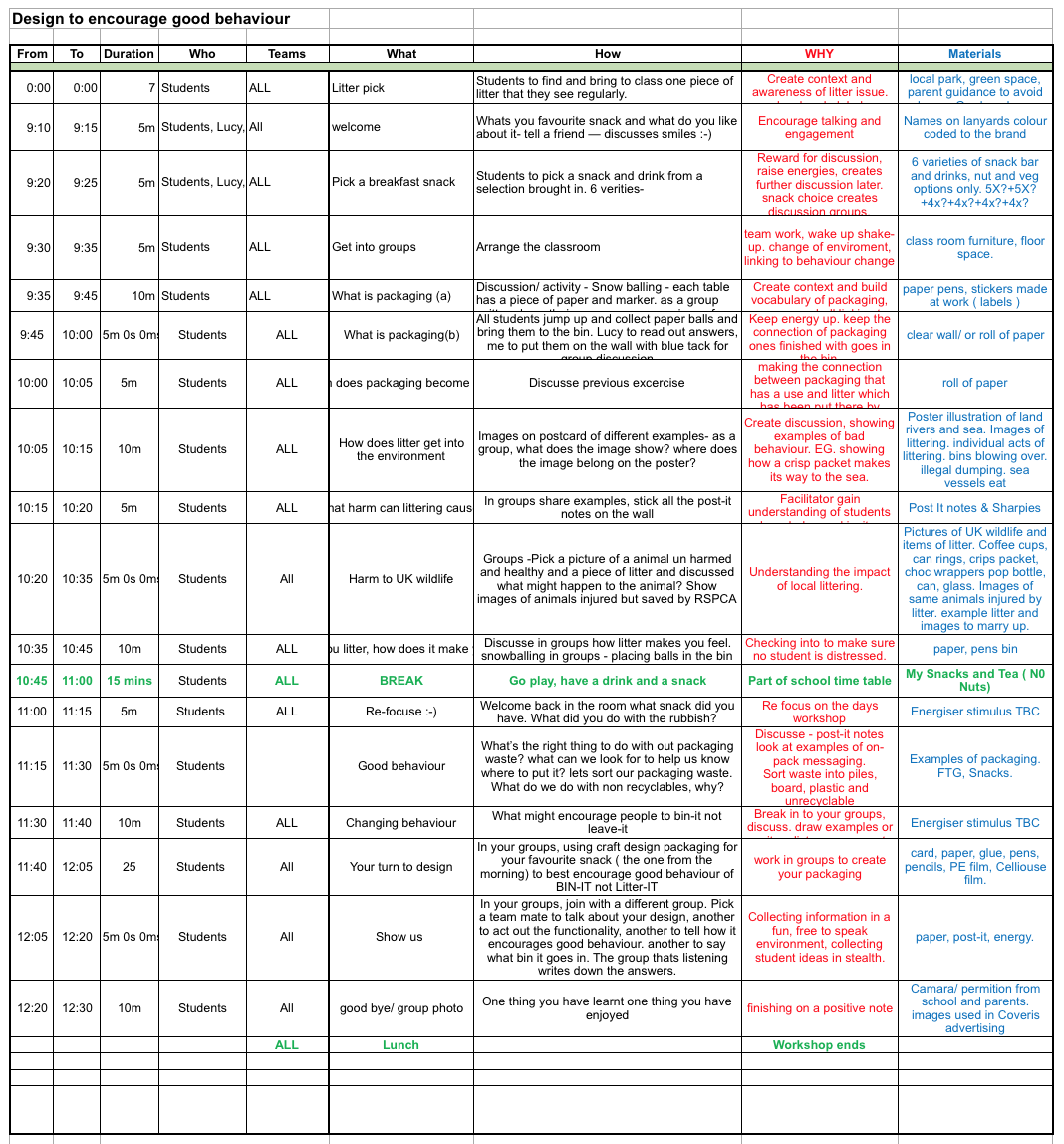
The workshop started with the question: What’s the difference between litter and packaging?
The first activity of the morning gave the teacher Lucy grey hairs !!
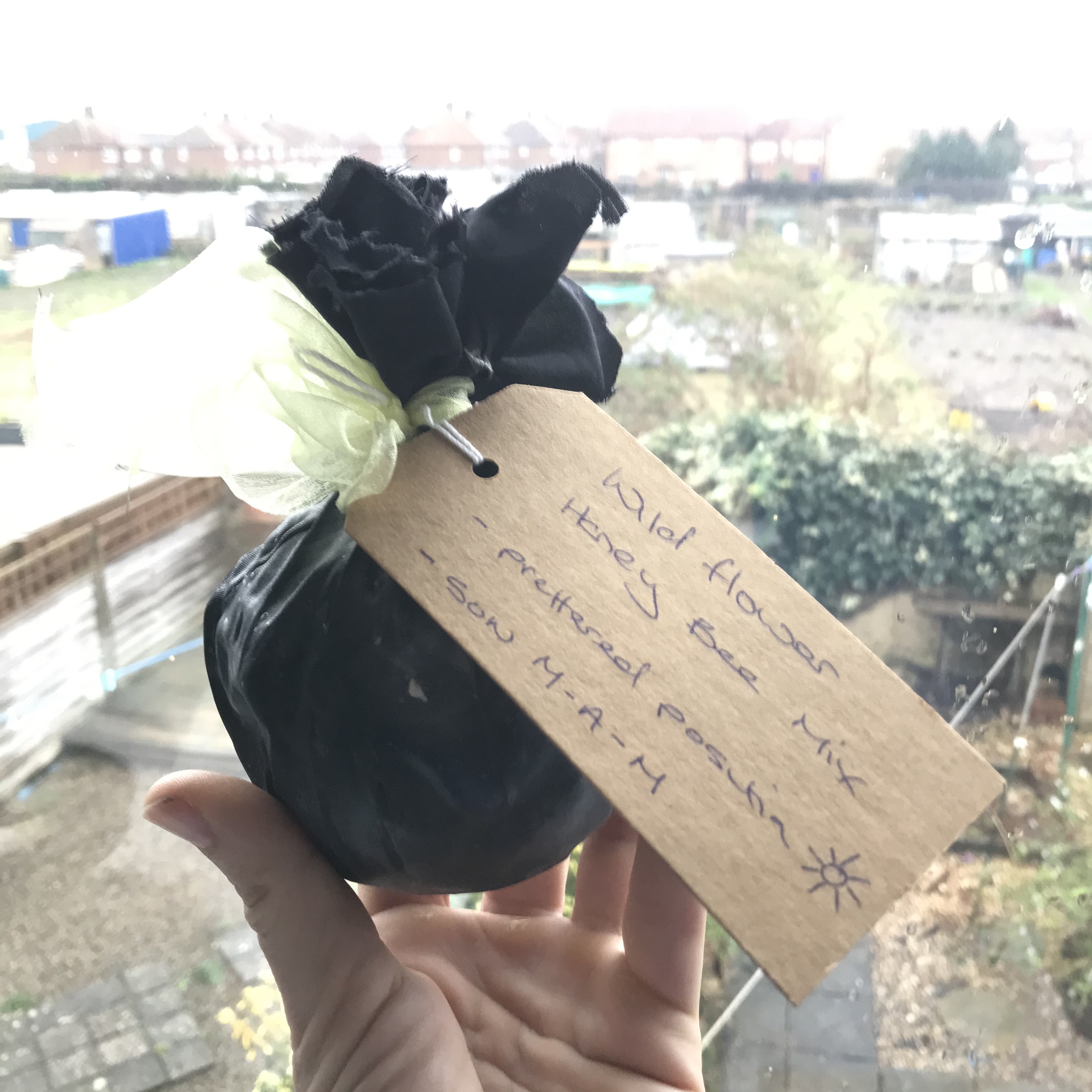
Snowballing…The children were asked to consider what makes packaging litter? What’s the difference between the packaging they had collected as part of their litter pick and their morning snack, writing their answer on a piece of paper, screw it up into a ball and aiming to throw it at/into the classroom bin, of course, many of the snowballed paper missed the bin, and it was very funny to be part of, as importantly the point was quickly made that rubbish becomes litter when not placed in a bin. A quick classroom litter pick embedded good behaviour, obviously with prizes, this time a seed bomb, the extera made from pulped packaging waste that I had collected on previouse litter picks.
The tone was set for the other activities of the morning which included mapping the journey of packaging when littered, ( image above ) and the positives of recycling and a circular economy ( OPRL).
The positive impact on UK wildlife when removing litter from their habitat, an important shift from a thoughtless act of dropping rubbish to the conservation of our local animals. The approach made binning rubbish and sorting packaging waste for recycling relevant to the children giving a why, making them aware of their local issue of littering, that litter is as much part of UK bad consumer behaviour as it is globally, and can be easily changed by binning-it, not dropping-it.
After a morning break, in which we enjoyed a gentle jog around the playground, I promise I let the kids win, we returned to an energised classroom, this group of budding conservationists, were ready to design the next generation of packaging to change consumer behaviour and aid Coveris, in the pursuit of developing for a circular economy. Reduce, reuse, recycle.
These budding designers were set a design brief;
Design a packaging solution for your favourite snack that prevents littering and encourages recycling.
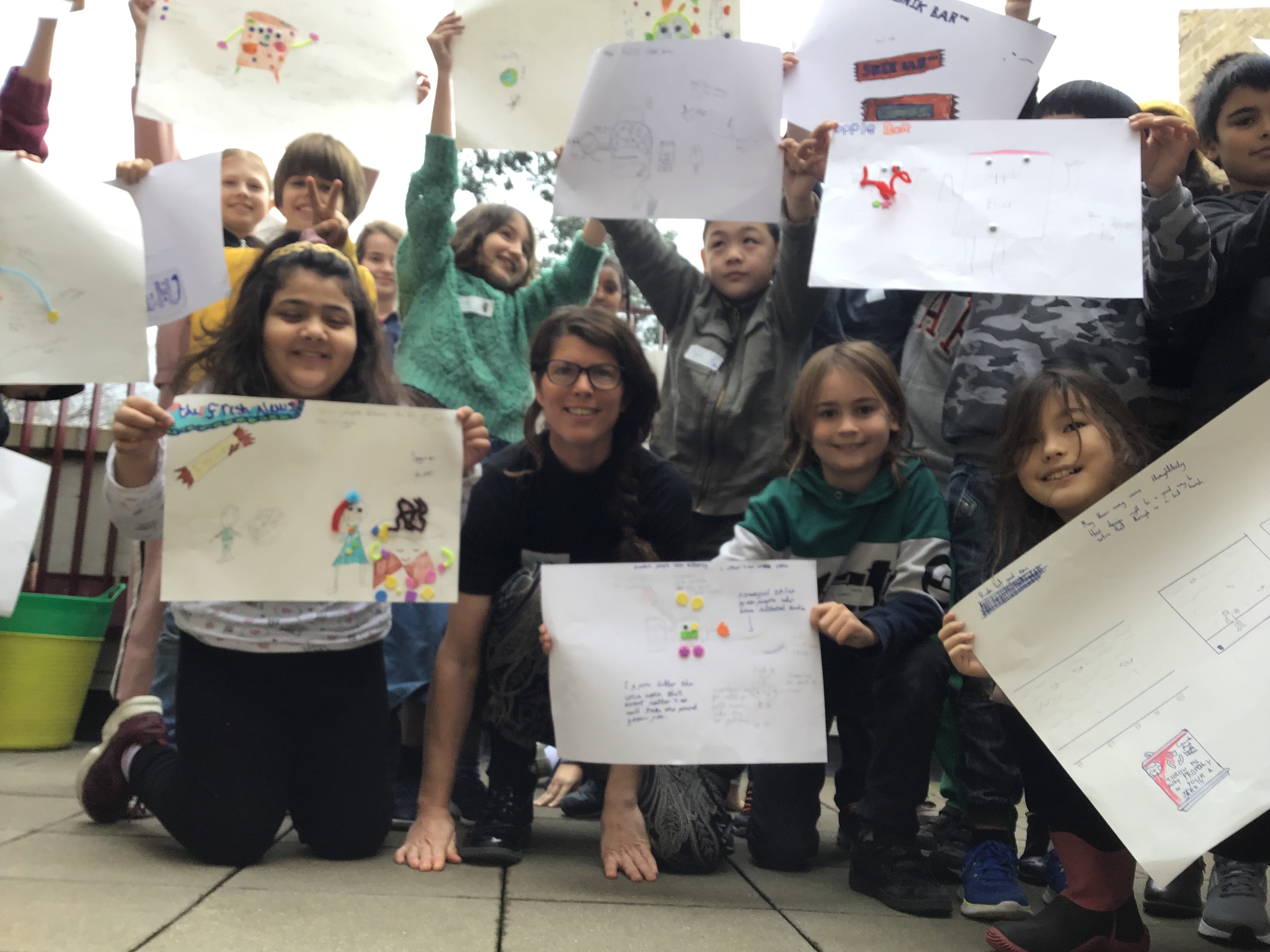
The class had access to craft supplies and were given the freedom to articulate their design however they wanted, in groups or individually, the resulting designs were brilliant! Watch out as these fun concepts which included; edible packaging, packaging that turned into a robot that stuns you if you litter, and a deposit return scheme vending machine on wheels that rewards, influence the design thinking of the Coveris team.
A big thank you to all the children at …. school, who were super engaged throughout the workshop and pledged to spread the work of, see-it, sort-it, Bin-it.
The workshop, developed by Jayne cunningham, product developer inboard and labels, designed the workshop to be fun, interactive and relevant to us as individuals.
 feet1st
Absolutely brilliant work Jayne. Sounds like you had a lot of fun worth all the work planning, arranging and organising
LikeLike