
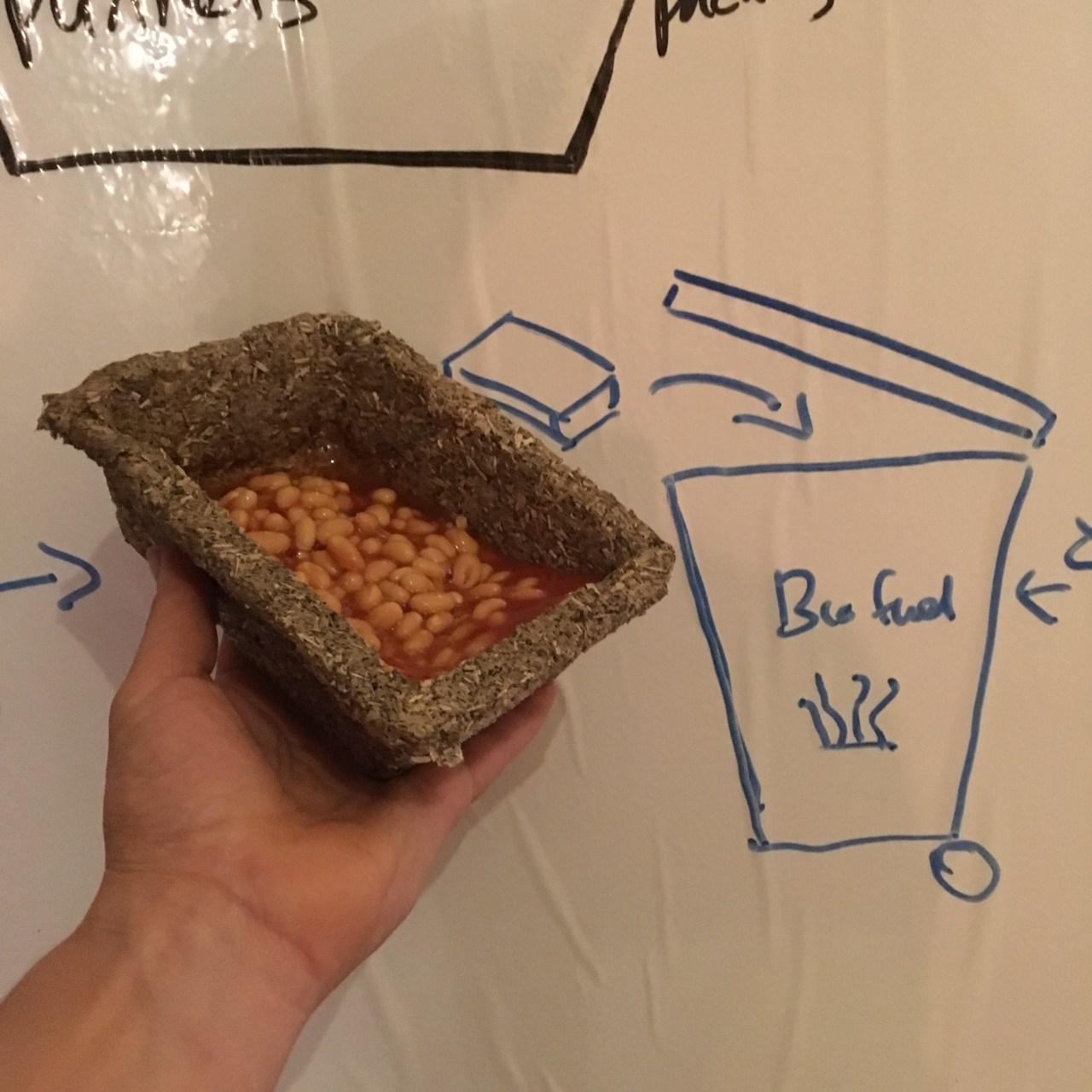
Brief set – Biofuel – Food contact oven tray Initial ideation, problem – process – solution = Material design.
Packaging that is designed for the purpose of fueling
homes, manufacture and vehicles
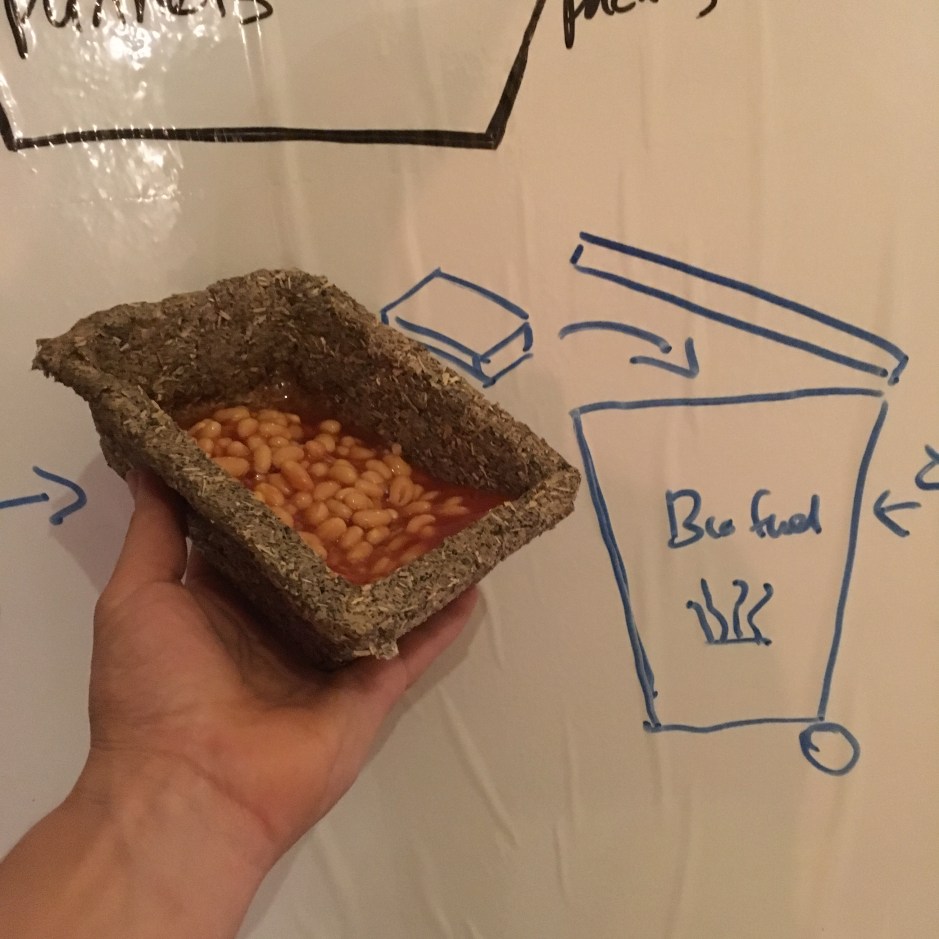
Design packaging and its material; that is sustainable and adds value to the consumer and the collection service.
I designed this brief to highlight the definition of the word and context of sustainable…
sustainable dictionary result for sustainable
/səˈsteɪnəb(ə)l/Submit
adjective
adjective: sustainable
1.able to be maintained at a certain rate or level.
“sustainable economic growth”
conserving an ecological balance by avoiding depletion of natural resources.
“our fundamental commitment to sustainable development”
2.able to be upheld or defended.
“sustainable definitions of good educational practice”
When considering current collection and recycling in the U.K, the above dictionary definition is poignant when considering current grab and go packaging and convenience food trays.
Acknowledging “We currently recycle around 40% of [total] waste.” Leeds.gov.uk. (2019) In Leeds.
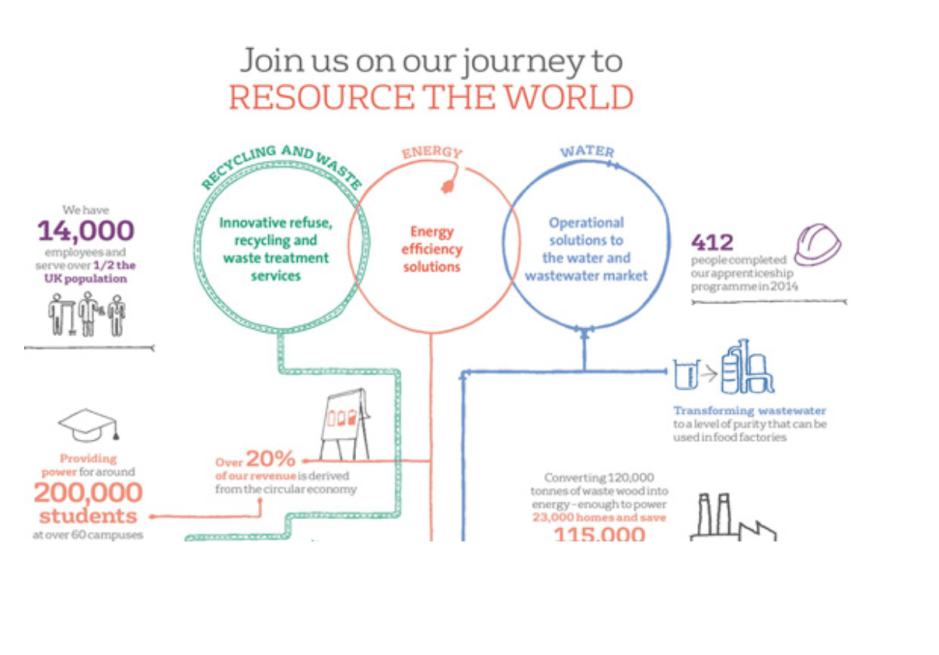
Specifically using Leeds, as an example of what is being recycled in the U.K is relevant because Leeds is the second largest local authority in the UK, and is one of two district councils using Recycling and Energy Recovery Facility (RERF)
I think Veolia state-of-the-art technology* is interesting when considering the current materials used for food contact packaging, often black plastic or carton-board neither currently are recycled in the UK.
*[“The RERF, managed by Veolia, uses state-of-the-art technology and engineering to recover recyclable materials and energy from the city’s black bin waste. With a move away from the use of landfill sites, Veolia, have also reduced the number of greenhouse gases being released into the atmosphere by the equivalent of taking 29,000 cars off the road each year.”]
It’s often stated that recycling is confusing to the consumer !?
In my opinion it’s not confusing what ‘can be’ recycled!
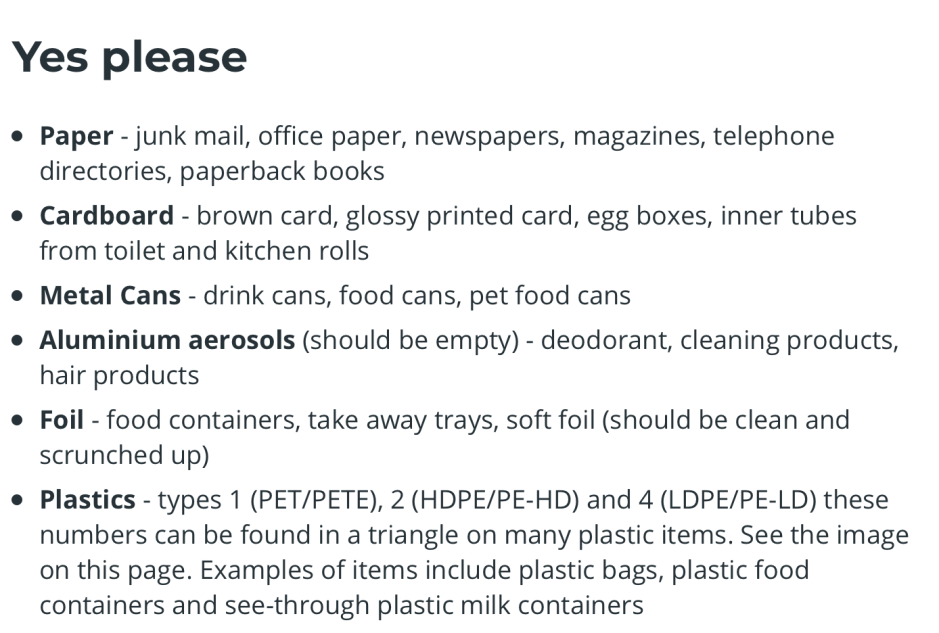
The confusion happens when considering what is recycled.
In Leeds the reality is our recycling is limited to – Good quality paper, clean! Metal cans, PET and HDPE (milk bottles)
A contributing factor is how the consumer needs to actively sort and clean, food packaging before placing it in the green bin, a lack of knowledge of what and how to sort waste in the home for curbside collection is haphazard at best according to Daiva Jankeviciene at HW waste, I witnessed this myself when visiting HW Martin, and later investigated with an online questionnaire that I designed and shared on Linkedin and face book. I specifically shared on these social sites to reach a wide demographic to gain true insight into what people are doing in their homes.
The questionnaire shows that my network are cleaning and recycling, that’s not surprising because of who I choose as friends. im going to re share the questionnaire in hope that the questionnaire reaches a wider demographic.
Often green-bin waste collection is contaminated because of lack of education and bazaarly wanting to do the right thing or even good feel factor.
My friends perfectly highlight the example of wanting to do the right thing, and miss guided placement of laminated carton-board into the curbside collection. Laminated carton-board isn’t currently collected and recycled from curbside in Leeds, however, because of misleading labelling on the pack, consumers often put cartons into the green bin.
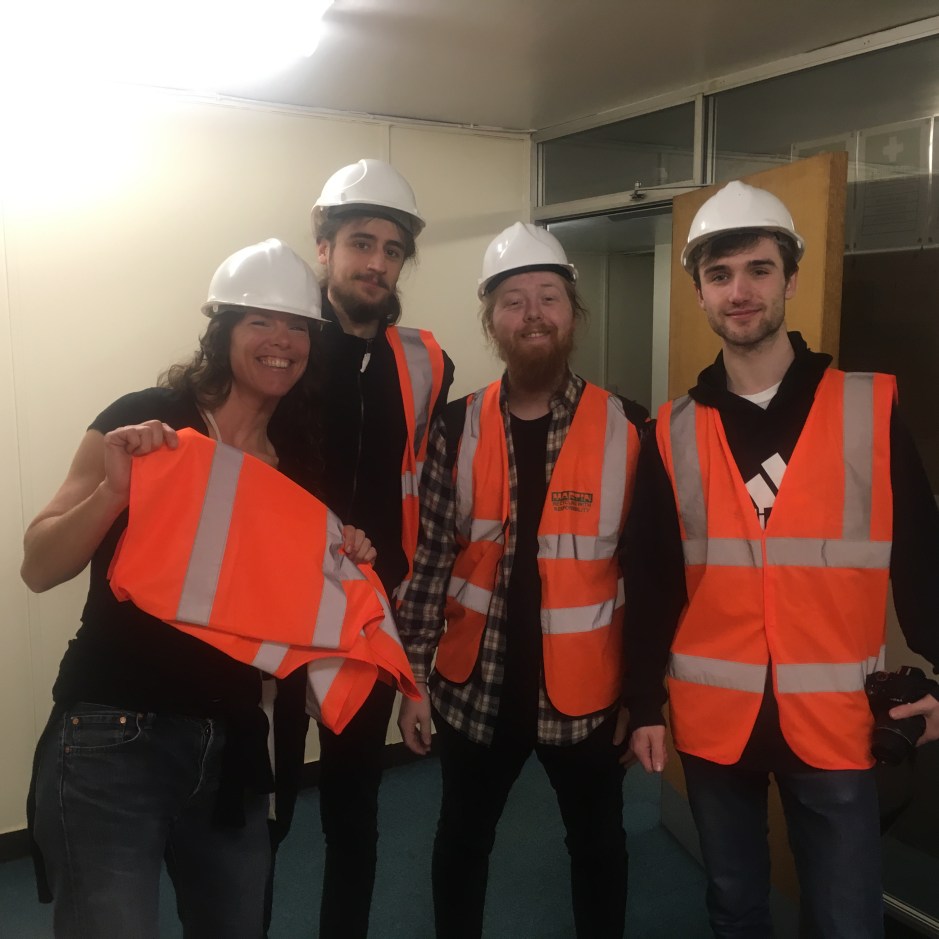
I recently organised a visit to HW Martin Waste in Leeds a company who have the green bin contract for Leeds council
(sustainability is business !!!) We were shown round by Daiva Jankeviciene a fantastic woman with passion and knowledge of the recycling sorting process.
The visit confirmed that food contact trays used for packaging convenience ready-meals are mostly carton-board (a shift away from plastics) is leading to potential contamination of the recycling waste stream product. Potential contaminants are costly to remove and often have to be spotted and sorted by people, this is expensive in time and money, and leads to loss of resources because the contaminated waste goes to be incinerated.
Daiva Jankeviciene and I discussed the possibilities of a material and packaging product for food contact trays (aren’t currently recycled) that is clearly different in texture and colour so that the consumer identifies it as something different, putting it in the black bin, or home compost.
Daiva Jankeviciene discussed how sorting out contaminated waste is expensive £100 per ton to then incinerate is the charge to HW Martin.
For recycling businesses it is important that the consumer can, and do separate their waste correctly at home for financial success, this is, of course, important to the success of our product circular economy of which designers and packaging manufacturers are trying to design into the life-cycle, a needed move away for the linear, single use in which the result is lost resources; Important when considering that our FMCG packaging is currently manufactured with mineral oil plastics or wood-pulp from trees.
So in Leeds we currently recycle around 40% of [total] waste.” Leeds.gov.uk. (2019) In Leeds.
That’s a whopping 60% of resources lost to incineration.
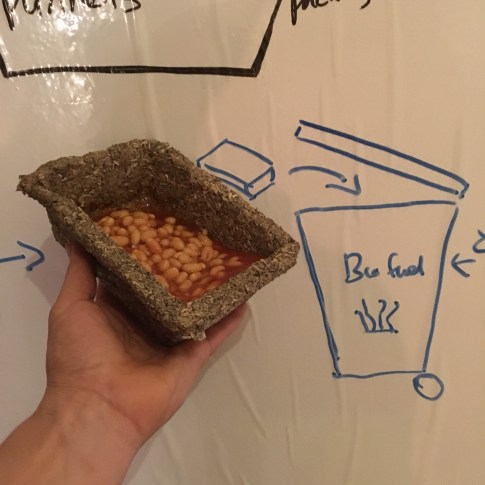
My product packaging material tackles the issue of lost resources by using waste materials in its design.
Hemp – coffee granules – potato starch
The waste materials have been chosen for their clean burn, so that the material has a value, to an incinerating plant, that ultimately purchases the waste contract. Also, the material is designed to work with Anaerobic Digestion, future proofing the material and food tray packaging design, thinking forward to future infrastructure for waste disposal.
The materials used:
Fibre from sustainably grown hemp (U.K Farm), pulped carton-board from sorted waste streams, and waste coffee granules, potato is the worlds second most wasted food.
The Bio-Pack oven-proof food tray adds value to the consumer through truly sustainable design, guilt-free convenience shopping and future possibilities of offsetting home electricity bills with a biofuel waste bin collection service.
This product is in its early stages of iteration so comments are very welcome.


Thank you for reading.
Jayne Cunningham
Thank you Alastair Little, Regional General Manager – Yorkshire at Biffa. for listening to my thoughts and process suggestions.
As a side note: Many of my friends are opting to buy products in laminated carton-board packaging making this choice to be environmentally mindful; a choice over plastic packaging unfortunately although laminates can be separated and recycled, it is expensive to do so often isn’t done. Extract paper is a good example of company Costa coffee and paper mill James Cropper working together to make single use coffee cups recyclable.
 feet1st
This is brilliant. Thanks Jayne. I really interesting insight in to the current state of recycling and a truly sustainable solution.
LikeLike
Idea- Amazing! I wouldn’t feel bad for just throwing it away and great for pretty much free fire fuel! However we now live in a world where we expect everything to be super clean and polished which is what we get now with plastics and glossy cardboards- At first, the look put me off- I don’t know if ill want to eat wet/ saucy foods from it but dry foods like cereal or dog foods- yes! Just to note they say a little dirt in your diet ain’t a bad thing- im less fussy about dirt on veg- especially when its being boiled up anyway. So with more work on it… you could be onto something Jayne!
LikeLike