
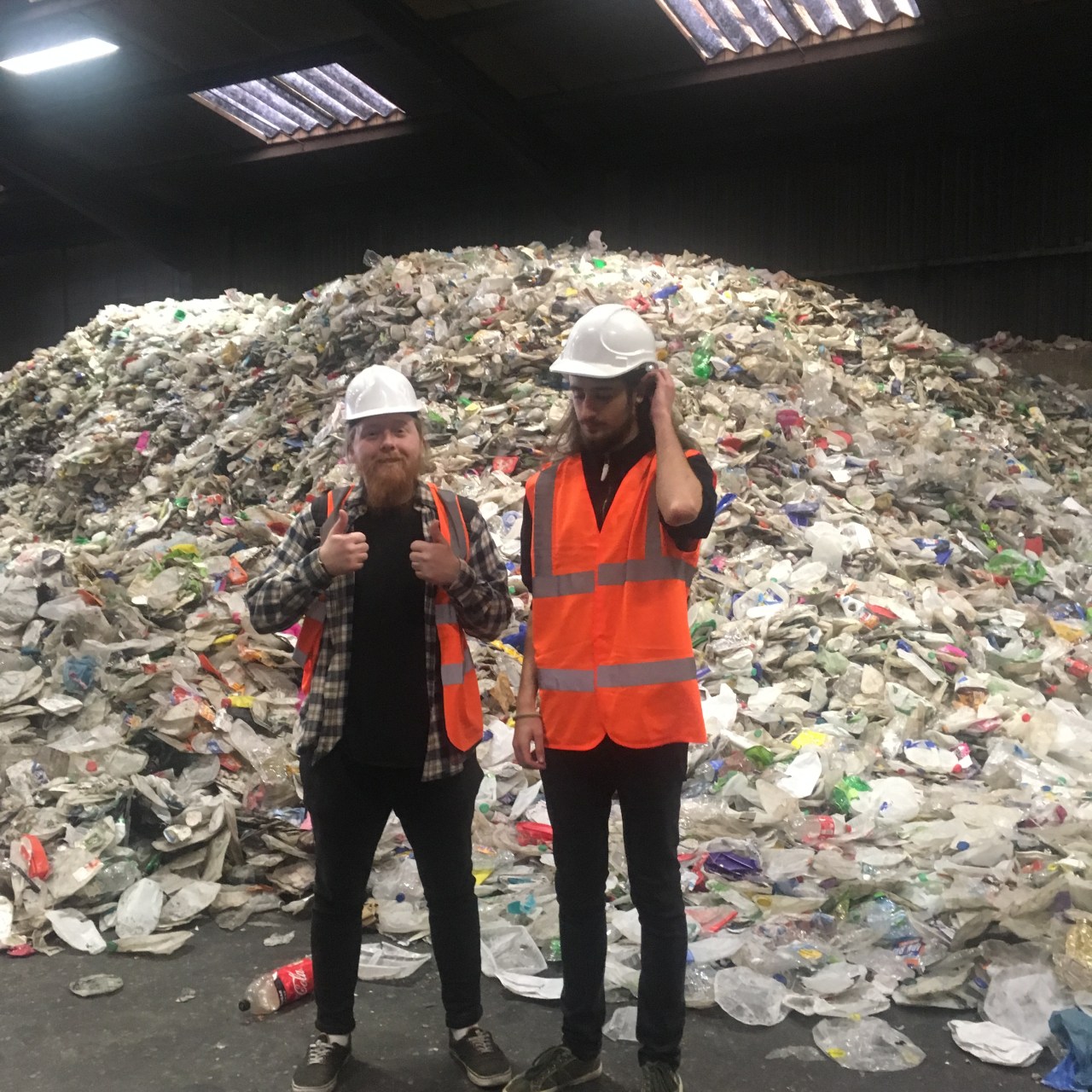
Safety first
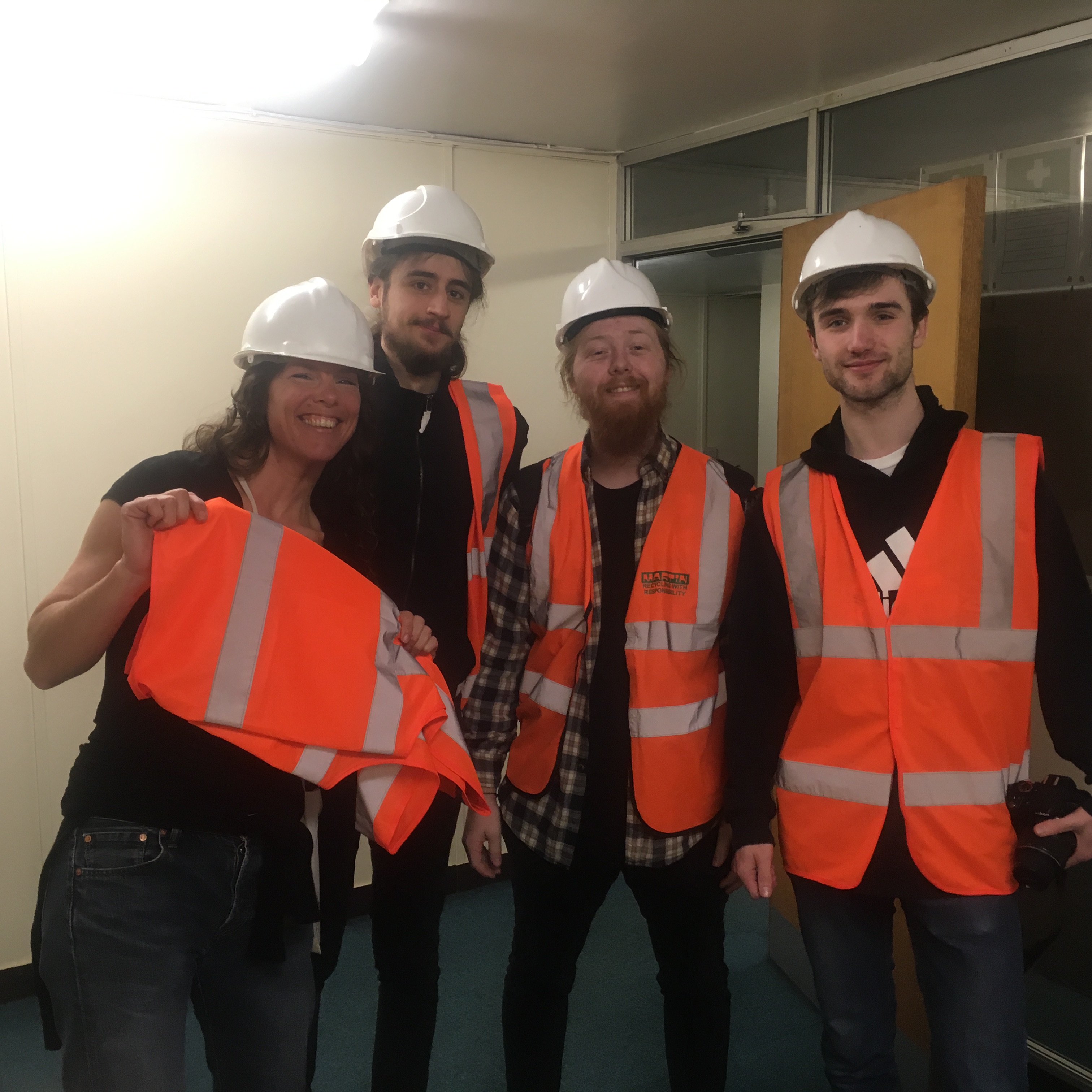
I organised a trip to Leeds recycling site http://www.hwmartin.com, because I have an interest in how recycling in Leeds and the U.K works. My aim is to design a material that can be used for single use food trays that has an added value to the consumer and importantly to the company buying the waste.
Sustainability is a business.
This is a small list of my favourite books and research sources.
- Cradle to cradle – waste equals food.
- Alastair Little – Regional General Manager – Yorkshire at Biffa.
- The future of packaging, Audible book, by Tom Szaky.
Having googled and You-Tube like a diva in an effort to learn how recycling plants operate and the principles of how the machines sort the waste, using holes in huge drums like a giant washing machines, letting wanted waste drop through, and how magnets sort steel and aluminium.
Thanks to you-tube seeing people sort through the waste of others so that it can be recycled, I still just couldn’t comprehend how massive a task sorting our waste really is.
I wanted to see it for myself.
Some pictures from our visit.
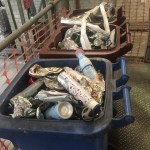
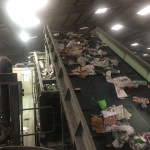
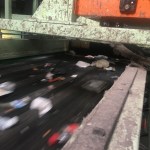
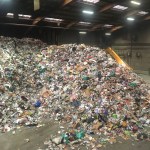
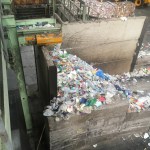
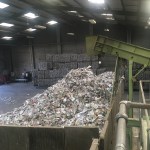
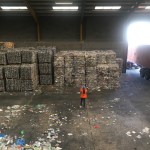
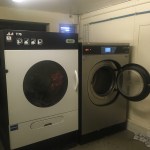
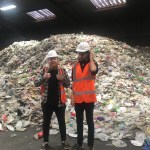
I’m really interested by the challenges of sustainable packaging, and what that means when considering current infrastructure of sorting waste to recycle or use to generate energy through incineration.
A sunny Sunday was spent researching the district councils in England and what they will individually as councils accept in a green bin, I did this because of so-called confusion, surrounding what one can and what one can’t put in the green bin.
My intention was to use this information cross-referencing so that I can design a packaging material and food contact oven proof tray for meals, that would be accepted at all curbside collection in the UK.
During this research, the obvious was explained to me that packaging, has to be clear and clean, clean and crushed. For it to be recycled. Important knowledge that a lot of consumers are missing, an assumption that waste is cleaned by the waste collection service.
This knowledge of which was confirmed through a questionnaire I posted out to my contacts, combined with insights gained from the book The future of packaging, by Tom Szaky. stating that as designers we should be asking waste collection companies what value has this material got and do you want to buy it? Instead of can, this material be recycled? (if I waive fairy dust over it)
My experience of the council websites was that the information wasn’t easy to find. Every website is different, the information is titled differently in the drop-down tree.
Council screen grab explaining what can and can’t be recycled
Food containers that aren’t cleaned contaminate green-bin waste. the contaminated waste is sorted and is incineration.
Food contact packaging that isn’t cleaned prior to a collection cannot be recycled, It’s too difficult, expensive to clean (with the exception of plastic milk HDP Milk bottles).
Contaminated waste in the green bins is potentially a financial disaster for recycling waste sorting sites as it costs £100 a ton to have waste removed to be burnt.
Daiva, ( our host) openly discussed that contamination is getting less, food trays are getting fewer, she put this down to growing education, however with the move away from plastics that * can be easily cleaned and recycled (not black) and towards the laminated board that isn’t recycled the contamination is due to increase.
Recycling in Leeds is still only 40% .
Conversations with friend, and industry professionals Mary Barker, Alastair Little, about the reality of what Is put in a black bin, and what goes in the green bin.
There is a huge difference in how individuals treat their waste and like Daiva said it often comes down to education.
For example Marry Barker, explained that in Bradford she personally spends time educating people who live in high-rise community’s about what can be placed in the green bin, she explains in her experience, how people want to know, the community’s that she looks after are interested, they want to invest in the futures of their children.
During my time teaching safe cycling in Bradford, what Mary discussed didn’t fit with my experience and what I saw whilst teaching on the streets of urban Bradford, (often the streets near primary schools) was huge amounts of fly-tipping, I concluded that educate is key, encouraging ownership, pride, giving people a reason a purpose, and giving worth, value to waste is also key to encourage consumers to do the right thing. This insight ”value” is in my brief.
During a different conversation with Robin Brinkworth my university tutor, he discusses the differences between how his family handles their waste to the contrast of their neighbours.
Listening to Robin, whilst thinking about Mary and her experiences with education surrounding recycling waste in Bradford, the conflicting information of if you can recycle convenience food packaging?
Pizza boxes are a good example – carton-board packaging so a material that can be recycled, however, can’t be recycled because of food contamination. The pizza box is a good example, when considering food contact convienience food trays.
I’m now starting to question if sustainable packaging should be made to be recyclable, or if compostable or incineration for energy is a better design outcome.
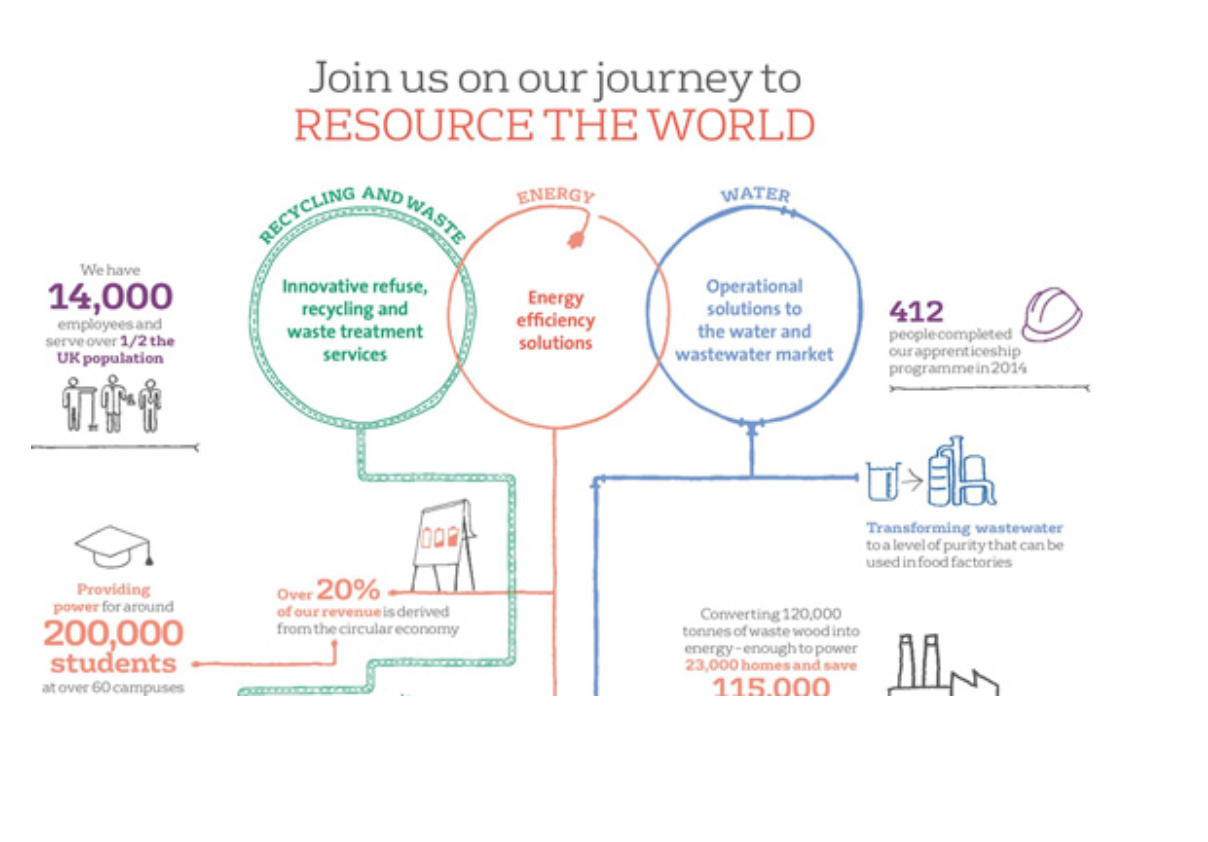
https://customerhub.veolia.co.uk/#what-we-do
We got shown around by Daiva, a very professional woman who had a warm and welcoming presence. She seemed to instantly forgive our tardiness.
Daiva, was very knowledgeable about the plant and imparted her knowledge with enthusiasm.
I really wanted to see how these plants sorted contaminated waste, and ask the questions of how to best to design for sorting considering how the machines handle waste? and how the manual pickers recognise waste? also how to design for composting, recycling and incineration? and ask about how design decisions affect and financial impact the business of waste collection and sorting for recycling.
I was intrigued by the targets of no more than 3% contamination in a bail weight of one tone. That’s not much margin for error. If the bails don’t reach these targets on spot checks the bails are considered worthless. The plant is very motivated to keep contamination to a minimum. The cost of incineration is £100 pounds per tonne.
Since when was sustainable development business, with strict targets, somehow sustainability and money making don’t seem like the obvious, partners to me.
I really enjoyed the visit to http://www.hwmartin.com, it confirmed my prior council website research day that if we as designers are going to design packaging to be recycled, then paper or PET are the valuable materials that plants like HW Martin want to purchase so that they can sell back into a commercial circular economy.
This lead to further research and the design of a material and packaging product that can be used as an [ European standards of CEN/TC 343 for ‘solid recovered fuel’]SRF biofuel or processed in an anaerobic digester.
Bio-Pac a food contact tray that has a secondary purpose as an SRF fuel is my current design thinking. The system is Buy, use, black bin collection, incinerate, energy collection
I hope you liked my blog.
I am publishing these blogs to gain further insights into public opinion.
Please comment.
Thank you
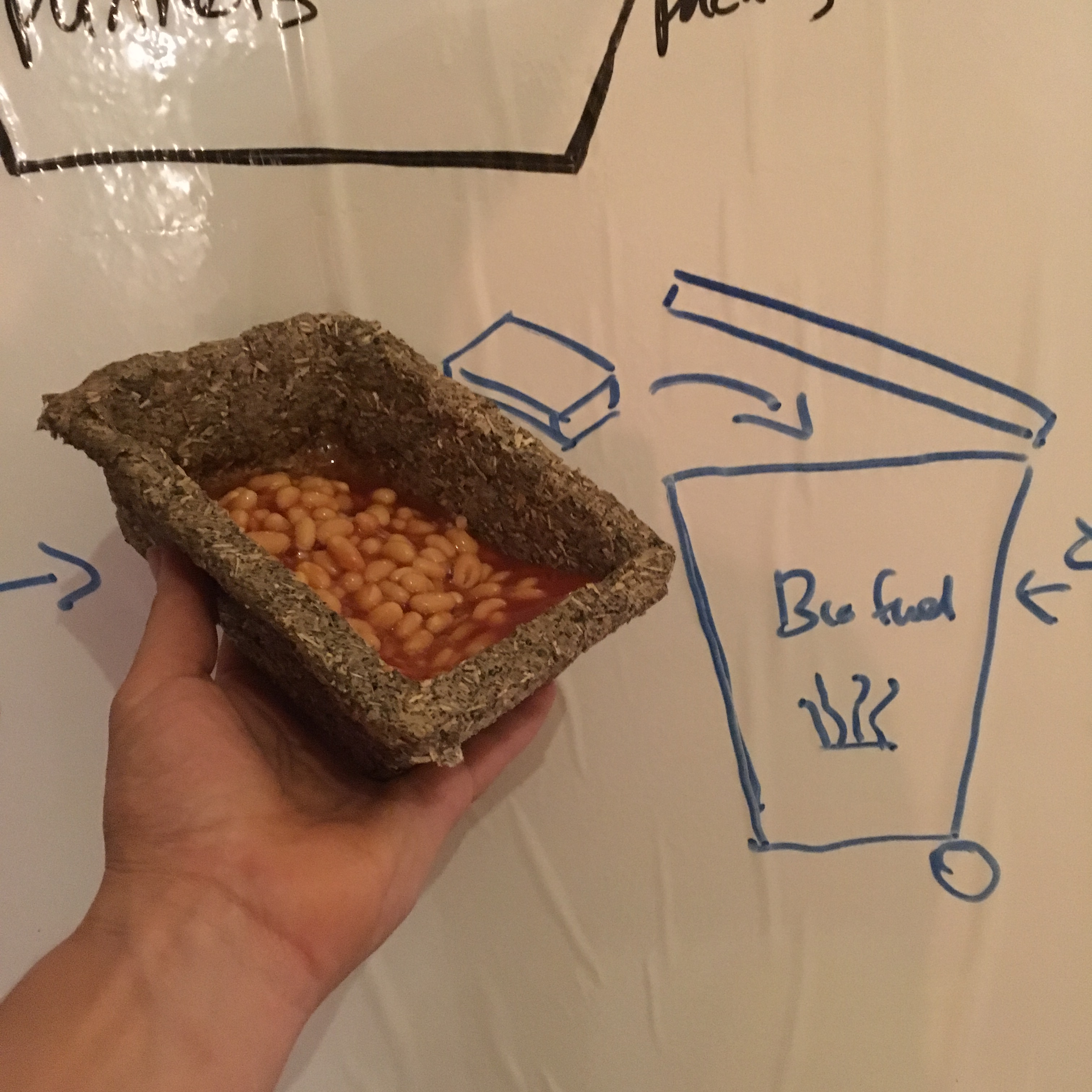
This is an image of a very early prototype made from waste hemp.
The material was chosen for it clean burn and to give a secondary life to a waste material.
The tray developed with feedback gained from industry. please follow the journey on later posts.
 feet1st
Pingback: Iceland foods – Pitch | feet1st