
I took what I’d found from laminating cardboard and testing it in an oven and then made a tray.
I did this in preparation for visiting HW Martin waste facility.
I wanted to go with a prototype tray so I could ask our host, how the material and product would be received by the recycling plant, as a possible recyclable?
As a side note the trip to HW Martin determined that food trays cannot be recycled because of the food contamination.
The visit to the recycling centre determined that the food tray design was destined for another type of re-use…
The images bellow show how I made the cardboard laminated tray
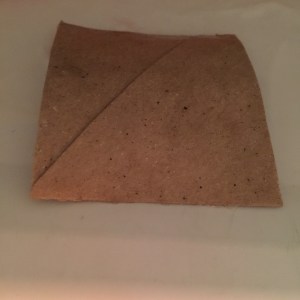
Laminated board
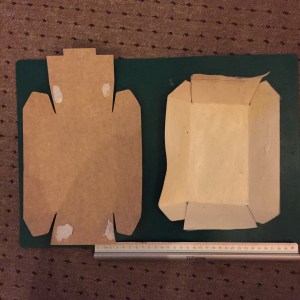
I used a template from another food tray, not through lack of creativity but by borrowing design I was ensuring my design would work on current assembly lines.
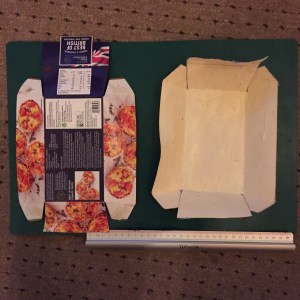
As above
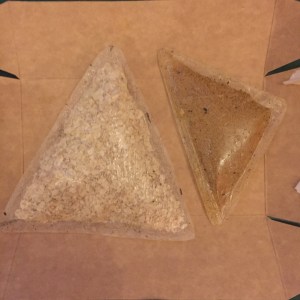
I used potato starch that I had previously designed as SEAsoning project. this time to laminate, to create a moisture barrier.
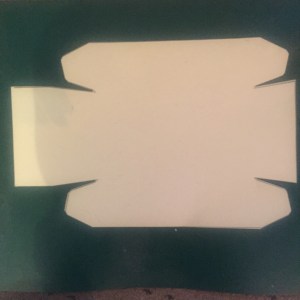
The finished template ready to stick.
I used the polymer to glue the tray together.
I did this so that the tray could be composed
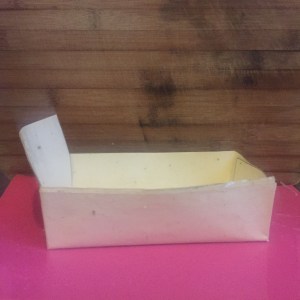
The tray finished ready for the trip to HW martin
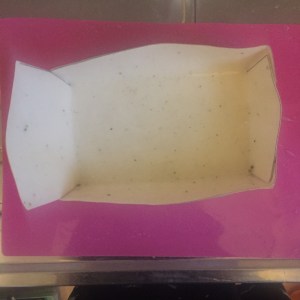
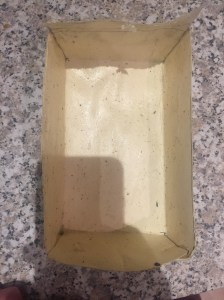
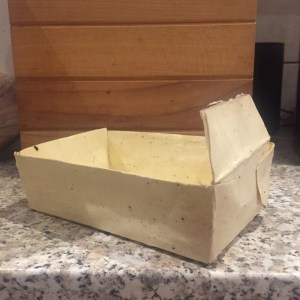
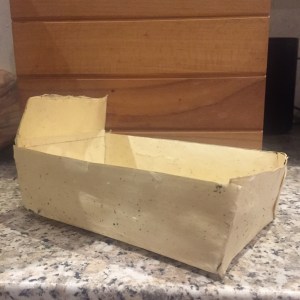
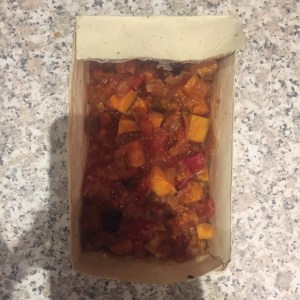
The tray was filled with food and left in the fridge over night to test the polymer.
The tray worked over night and wasnt soggy.
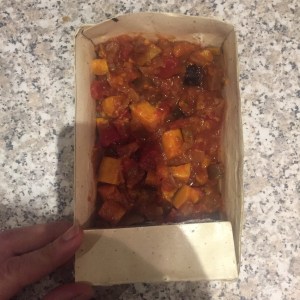
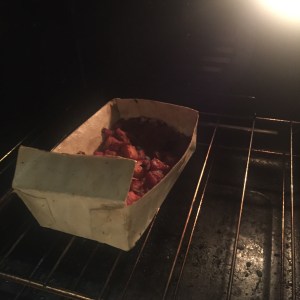
The tray was placed in an oven at 180, just like trays of its type would be.
Testing if the try would hold up in the heat of an oven.
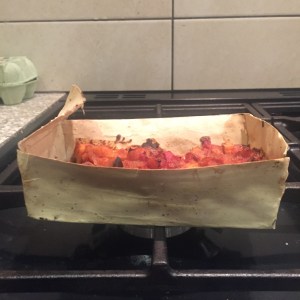
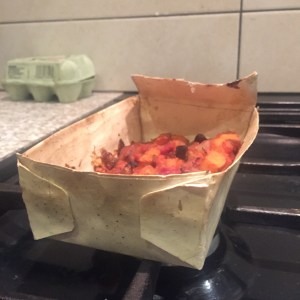 The tray didn’t burn.
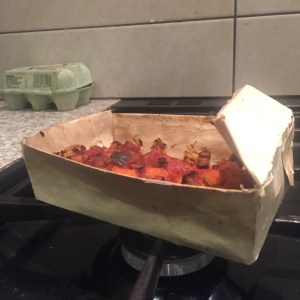
 A brave tester testing if the food had been tainted by the potato starch, Paul went on to live a happy life with out so much as a stomach upset.
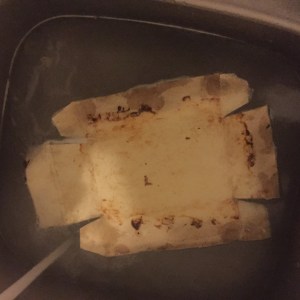
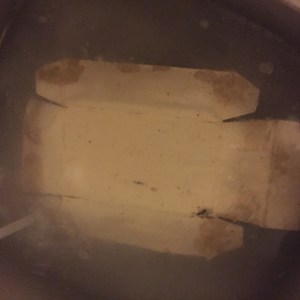
The tray couldn’t be cleaned afterwords, therefore the material wouldn’t be accepted by recycling centres.
I had a design re think
I spent time looking at the infrastructure of the U.K and what councils will recycle where and how.
The day spent looking at council websites determined the design change from recycle to reuse as fuel.
 feet1st
Pingback: CCS Jayne Cunningham Project 2 Year 3 IAM Fuel Packaging designed for purpose | feet1st