
During a previous project brief, Stomp, in which I designed a material specifically for a single use coffee cups and multiple-use coffee cups, I explored the possibilities of waste materials that could be used as a biofuel.
This blog outlines my design thinking and presents my final project concept – A coffee cup in which the materials can be used as a compostable to give back nutrients to agricultural soil.
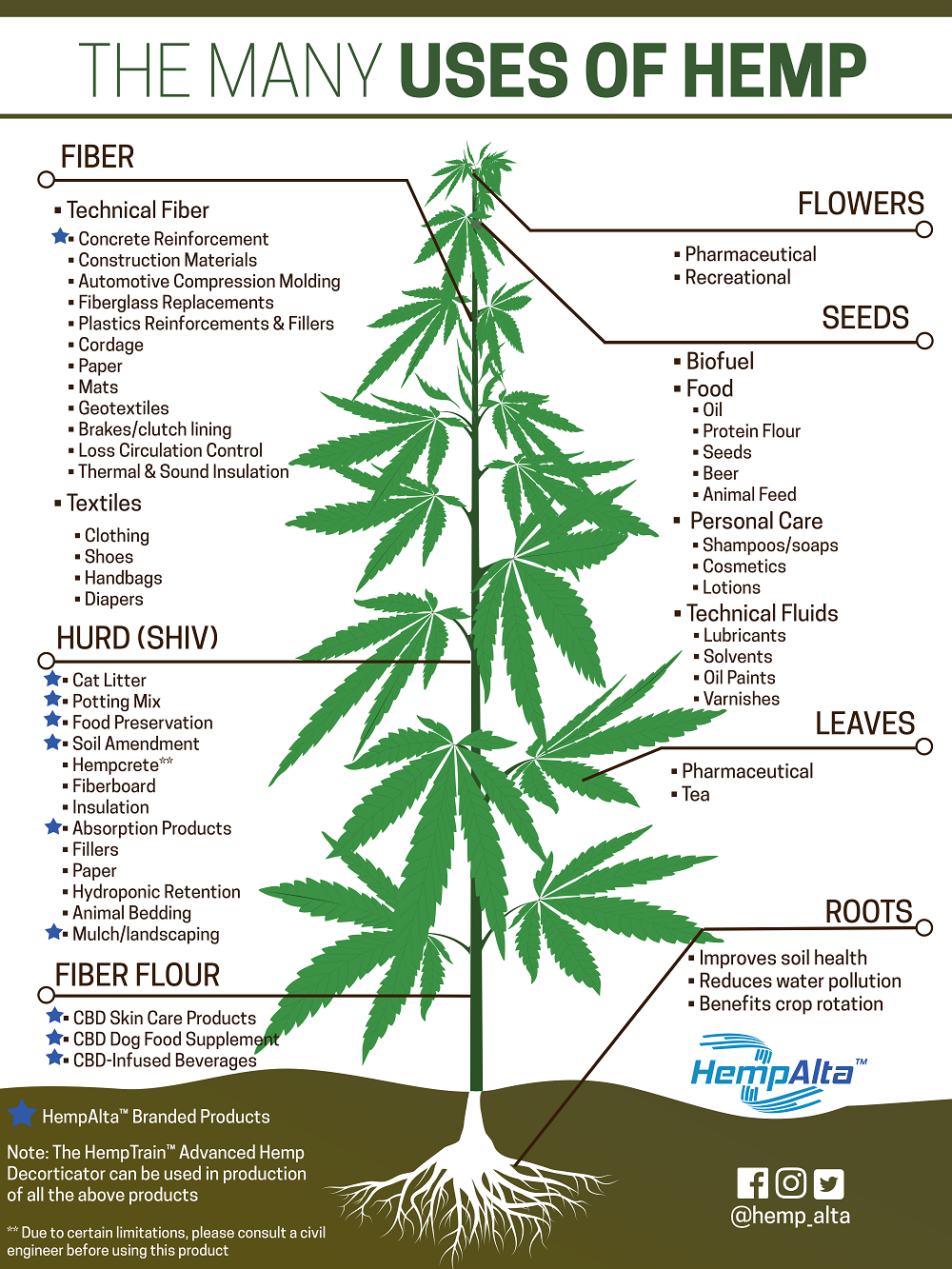
During the material exploration waste hemp from industrial processes was highlighted as a possible valuable material. This was prior knowledge was gained from the young furniture industry tour when I visited a bed mattress making factory who used hemp.
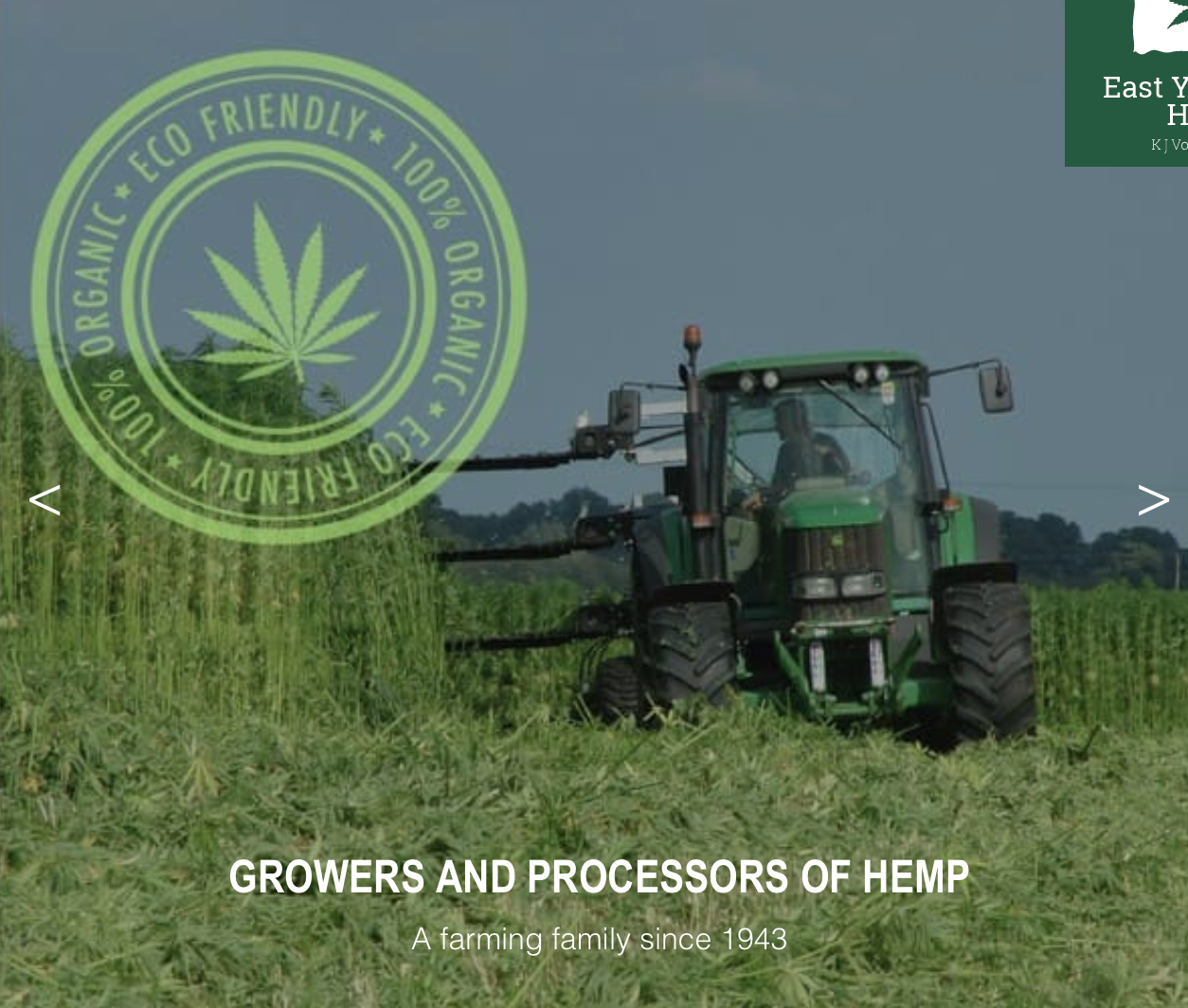
The waste wheat straw for the Stomp project conceptually was sourced from KJ Voase and son, the business is also a grower of hemp, the farm supplies to the bed mattress company, Harrison Spinks , during the industry tour I got to see the process of how hemp fibre is used to create high-end mattresses.
I was interested in how hemp and the waste materials left over from industry, and farming process might be used in other applications. The books I have in my home library and a google search show hemp as a fast-growing, sustainable material with many applications.
‘KJ Voase and son, East Yorkshire Hemp, a farming family since 1943 has been producing Hemp Shiv since 2005. The family run business is a grower and processor of industrial hemp, producing Hemp Shiv, for animal bedding and sustainable construction. They also produce hemp fibre to be used in textiles, loft insulation, and hemp briquettes for log burning stoves.’
This paragraph lifted from the companies front page states the list of current applications, I wanted to know how, why, and what makes hemp so versatile.
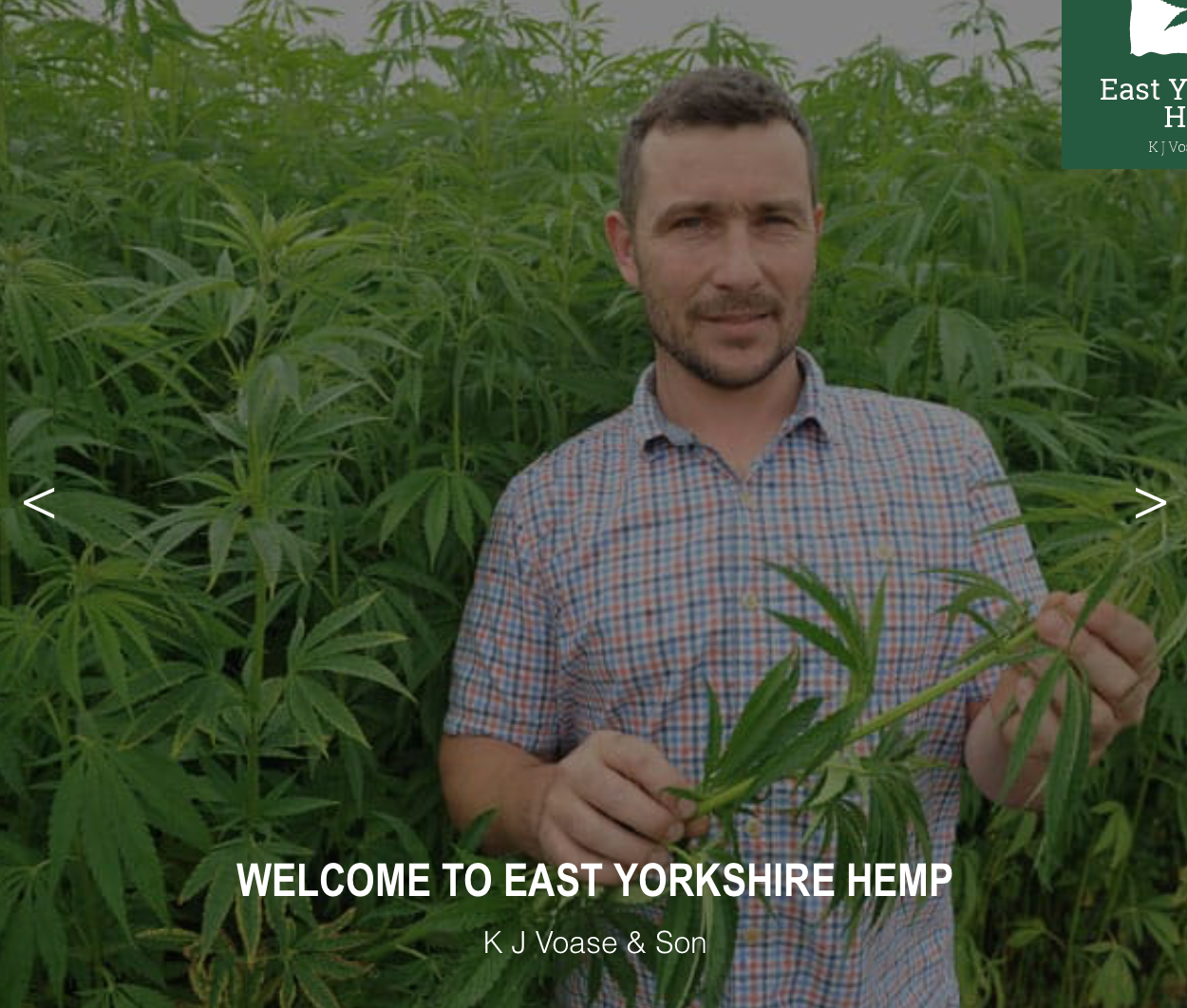
Nick Voase (pictured above) the Son of Mr Voase is an engaging, knowledgeable man with a passion for innovation. Nick explained how one plant has so many applications, it’s because of the varying chemical compounds that make up the plant.
On my first visit to the farm it was Nicks father who showed me around. I don’t have photos of this visit because the innovations that go on at the farm are top-secret ! So I felt extra privileged to be shown around and to observe the products and the machinery that takes a hemp plant into a useful fibre.
The purpose of the visit was to collect the gifted waste fibre, which I took home to use in my initial prototypes ( Blog link)
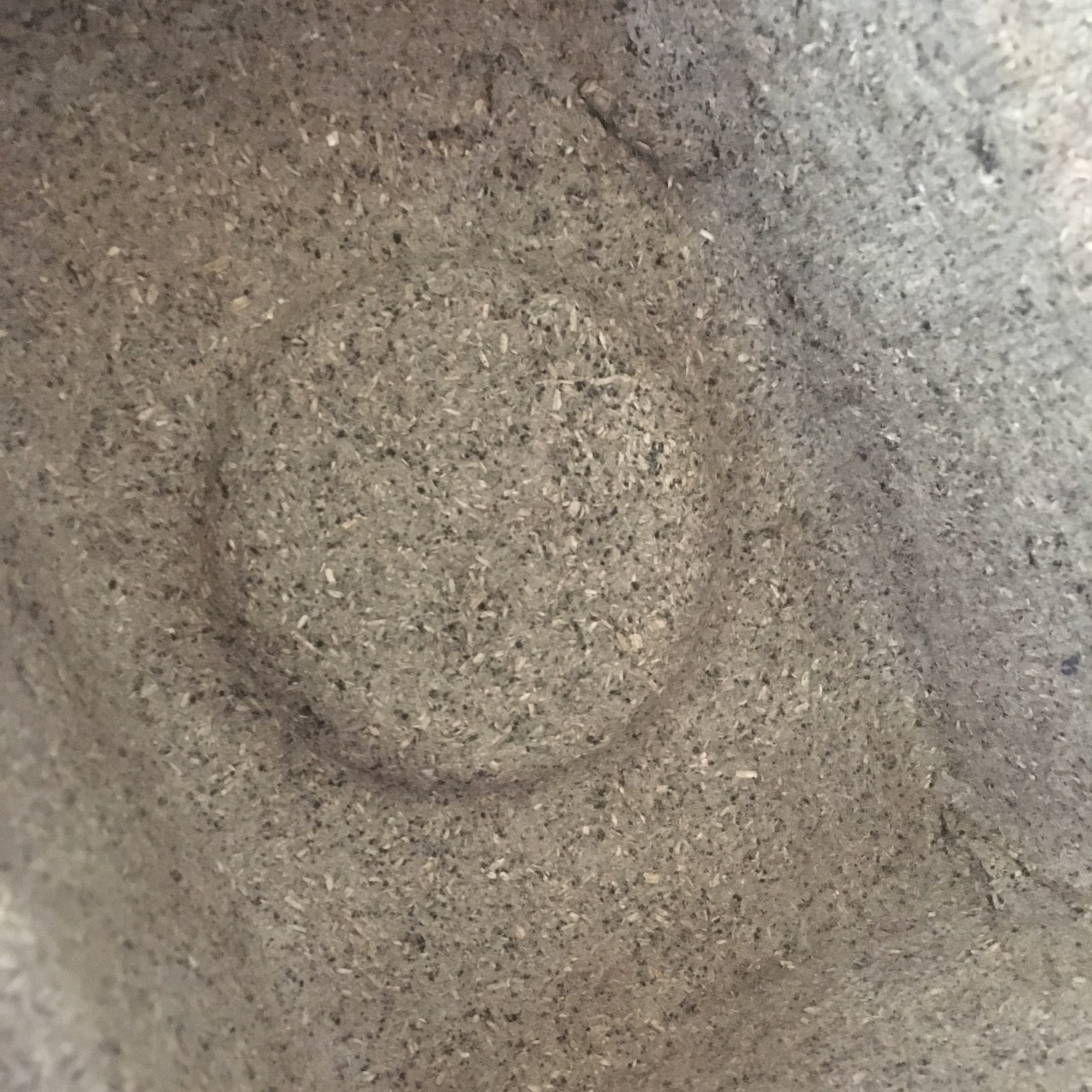
The paper that I produced was a good start to the project however it was too fibrous. I ground some hemp up in my coffee grinder (never to be used again whoops!) the result was lovely dust which I soaked in warm water.
The results were.
This is the result I am aiming for.
After realising that grinding in my coffee grinder wasn’t going to be repeated because the fibres broke the motor, I looked to alternatives in my kitchen and the university workshops… The answer after a phone call with Nick Voase, discussing the need for shorter starting fibre was a return visit to the farm, this time I met Nick Voase in person.
I left the farm with plenty of fibre, varying degrees of length created by the processing at the farm for the different products produced on site.
I experimented, still even the finest of the fibre’s given were too rough for a material to make a food contact tray, and feedback on an earlier blog from a women in leadership contact Amy states , ‘At first, the look put me off’ Amy McAllister · March 22, 2019, at 12:46 pm
I agreed with Amy, we now live in a world where expectations are, super clean and a polished look. Plastics and glossy cardboards deliver the look that consumers love, but the materials and packaging solutions aren’t sustainable, the materials are hard to reclaim. I need to perfect my fibre material so that it has the look and feel that today’s consumer expects, with the added value of a material that a waste collection companies wants, so they can sell on.
My material, Not ‘can this material be recycled? but ‘what’s the value? and who is going to buy it for repurpose’ This statement is a game changer when designing sustainable material for packaging. Thank you Tom Szky, for including this statement in your book, The Future of Packaging From Linear to Circular (Szaky, T., 2018)
A food shopping trip to ASDA my favourite supermarket in Otley, friendly, good quality and great on a student budget, I spotted a nut and coffee grinder: Eureka! Just what I needed and putting that well-earned cash from my hair snipping to good use. Asda’s nut grinder worked a treat, and my prototyping moved on.


The images above are just the start of a prototyping journey, this blog is a quick image
driven way to see the modelling process and how the material evolved
Thank you, Nick, for your help and Amy for the constructive comments.
 feet1st