
The big Conglomerates control the way we buy our products.
It is now the norm for ‘The consumer experience’, to often involve multiple packaging purchases.
In the book, “Emotional Design” by Donald Norman (2005,p64) talks about “Emotional Design” and within its pages, packaging.
I am interested in his opinion as the idea of being emotional over packaging is irritating but unfortunately true! Yes, I too feel like it is Christmas morning when I open a well-presented product, it can be like unwrapping a gift; and this is why “packaging designers and brand managers are looking beyond graphic elements or even the design as a whole to forge an emotional link between consumers and brand… the entire success of the product lies in its packaging, not its contents” (Norman, D,2005,p64)

Fig1 Authors own. Ludon the fish created a very emotional link when this water bottle became is home on a trip through France. (see the previous blog for full story)
Water is free out of the tap, but water is big business and is proof that we are daft enough to be sold back to use what is a basic human right; if it is nicely packaged.
But for now, let’s step back in time and consider my past memories of the U.K food shopping experience.
I consider myself very lucky to be part of a generation just on the cusp of the millennials. I was born in 1978 and therefore have a clear memory of walking into supermarkets, of which seemed a new thing and a luxury in themselves in Halifax, West Yorkshire when I was growing up (god I sound old) nothing was in packaging at that time! It was the norm to pick up a carrot and feel it, touch it even have those embarrassing moments of testing whether it was bendy, or not and hearing the snap! Whoops, not a bendy Carrot but a ‘fresh’ ready to eat carrot, and the same with broccoli, cauliflower, cabbage and other seasonal fresh food; now that’s what I call emotional design! Produce that invited you to touch and feel part of, your choice of purchase was made through touch.
Then came plastic packaging! I can still hear the confusion and everyday people ‘the consumers’ protesting.
Instead of our choice of purchase being made through an intrinsic link to touch and other senses like smell, all we had was sight.
Yes, the plastic prolongs the shelf life and the plastic might help prevention of damage through transit, but at the time I remember a major shift in consumer choice, and a focus on labels and graphics to tell us ‘the customer’ what was going to ‘taste’ good, rather than pre-plastic what ‘felt’ good.
Protests over the introduction of packaging were ignored.
The packaging went from a bit of wrapper, and a label, apparently a needed barcode, to the replacement of the brown paper bag (still not ideal) but to be replaced with plastic bag, and then our food being ‘conveniently sliced diced and put in a plastic tub, with a glued on top and then a lid and then a plastic safety strip…. in a bid to make food ‘convenient’ and ‘fast’….. (Although I have to admit I am a huge fan of bagged salad so wrong. I know it’s not got anywhere near the same goodness as it’s been washed in detergents and stored in plastic.)


It can take me longer to get into the packaging, than what it would to chop-up or slice whatever is under the multiple layers of cellophane plastic and glued packaging.
The food that is sold in supermarkets now is generally mixed with other food types, groups, flavouring and additives.
the ingredient list of the above
In today’s supermarkets, you are hard pushed to find a grape that hasn’t been wrapped with something!
Ever thought why your Avocado’s don’t ripen anymore, or your apples don’t go off?
Well, that’s the spray pesticides, it acts as an invisible wrapper stopping the oxygenation process, great if you know to wash the Avocado when you get home, and ‘oh’ yes don’t mind the not so healthy additive sprayed on to prevent natural ripening.
The Director of the U.S environmental protection agency, Edwards, D, (2009) has published the Office of pesticide programs outlining the effect of these land-based pesticides on our marine life, raising concerns of the existence of 22 Pacific salmonids, and other marine life.
So?!
The use of pesticides and plastics are intrinsically linked and used to prolong the shelf life of food we eat.
As Stated earlier, plastics and chemical pesticides leach harmful chemicals into the food we eat, and the environment we live, all for a “quick buck” stated by Mette Skogaard in the journal “Plastic Zero” (2017); Change will only happen like it has done in Germany “if everybody is seeing the greater good, rather than, the quick buck for the selected few.”(Plastic Zero,2017)
The packaging of convenience products is harmful to our health and the health of our environment and the environment of others.
Sensing our habitual use of convenient products, instigated by big conglomerates; I include technology, consumables, and the places we live, work-in and study are making us and our planet sick.
Our environment in which we live in the west and developing countries; continues to be adverse to good health caused by bad lighting choices in homes and offices (Ponting, L,2009), perfumes used in everyday products, and sound used in technology/mobile devices to alert, creating stress (Naeem,Z,2014), and adverse chemicals in our food, packaging, clothing, bedding, toys ( North, E: Halden, R, 2013), the list goes on.
“So, with the recognition of good design is the first step towards human intention” (W, McDonough&M, Braungart, 2008.) how and why should we encourage design that is health promoting and damage un-doing; taking the cradle to cradle approach to the next level of how do we undo past and present harm of packaging
Looking to the Cradle to Cradle approach of design ‘ what kind of culture designs products that poison our children’?
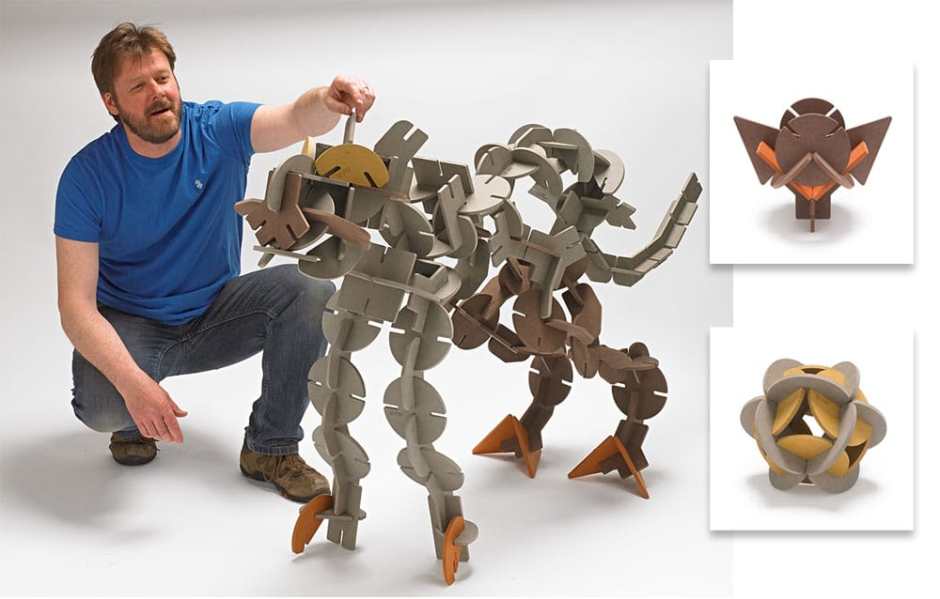
Figure 5 David Johnson u-nu Eco-friendly creative learning resource.(u-nu.co.uk)
Such contrasting views and ideas of ideals of what makes a good design in the books Emotional Design (2005) and Cradle to Cradle(2008), therefore, I see a partnership.
I became hooked on the ideals of the Cradle to Cradle approach at page 11 when the discussion of less bad versus good came up… The author’s point is just because it’s less bad for example to use your car less often doesn’t mean It’s good.
I believe for example that if a product is sold to be convenient then the designer should take responsibility for how that product fails and what happens to it when it does.
Great design in our modern world needs to encompass, emotional design, as consumers we demand to love something, look at the rise of apple for proof of this statement.
As designers, we need to be designing so that our waste equals food for products we want (Cradle to Cradle,2008, loc 1116 of 2375). I believe there is an addition to the approaches of Donald Norman the author of Emotional Design (2005); and Michael Braungart and William McDonough the Authors of Cradle to Cradle(2008).
The realistic approach of a consumer-driven economy, our designs need to be made desirable in their costings to the big conglomerates.
So that, for example, when designers like James Feddo build in biodegradable packaging solutions to their children snack range-Clearly Scrumptious Ltd, the supermarkets are interested!
In the case of snack range designer James Feddo when he presented his range to include packaging that was friendly to the environment Morrisons ‘didn’t think [ the packaging ] it would add value to the customer base at Morrisons supermarkets and that customers would rather have a cheaper product’ So the product didn’t make it onto the supermarket shelves with biodegradable packaging but with a much cheaper to manufacturer packaging.
The discussion with James highlighted different possibilities to have allowed the production of the convenience snack range in the original biodegradable packaging. The first was to increase the cost of the bar by pence.
The second would have been for Morrisons to have absorbed the cost… both weren’t considered by Morrisons because they were worried about their own profits.
I am worried that good design is being halted at the doors of supermarkets because of profit, so, looking to the rest of Europe for a way forward and specifically Germany,[ because my absolute bug bare is how we are heading towards catastrophe through drowning in our own waste] Germany is so successful with recycling and reduction of sold through grocery stores, hard to recycle packaging that they actually bring in and incinerate neighbouring countries rubbish to feed there own incinerators.
There were a few key points but the one that seems very different to the way we are dealing with rubbish in the UK and America is making point of sale ‘ the grocery store responsible and accountable for what they put on the shelves through the implementation of requirement to offer disposal facilities of hard to recycle packaging, plastics.
After reading a journal by Dr Sameer Josh (2017), learning from Germany on plastic waste management, the confirmation of a proven way forward was presented. The evidence suggested that ‘ when grocery stores are made responsible for hard to recycle packaging, they will change! Stocking produce with easy to recycle packaging.
My main causes of upset are the effects that it’s having outside of human consumption,
A)The rubbish that is often discarded unsightly on roadsides, paths and green spaces.
But what upsets me more is that not only has it been dropped or thrown as an accident or in ignorance but the sheer volume of so-called intelligent people that walk by in their own ignorance. ‘after all its, not their rubbish, their problem’ well I have news for you. rubbish ‘waste’ is everyone’s problem!
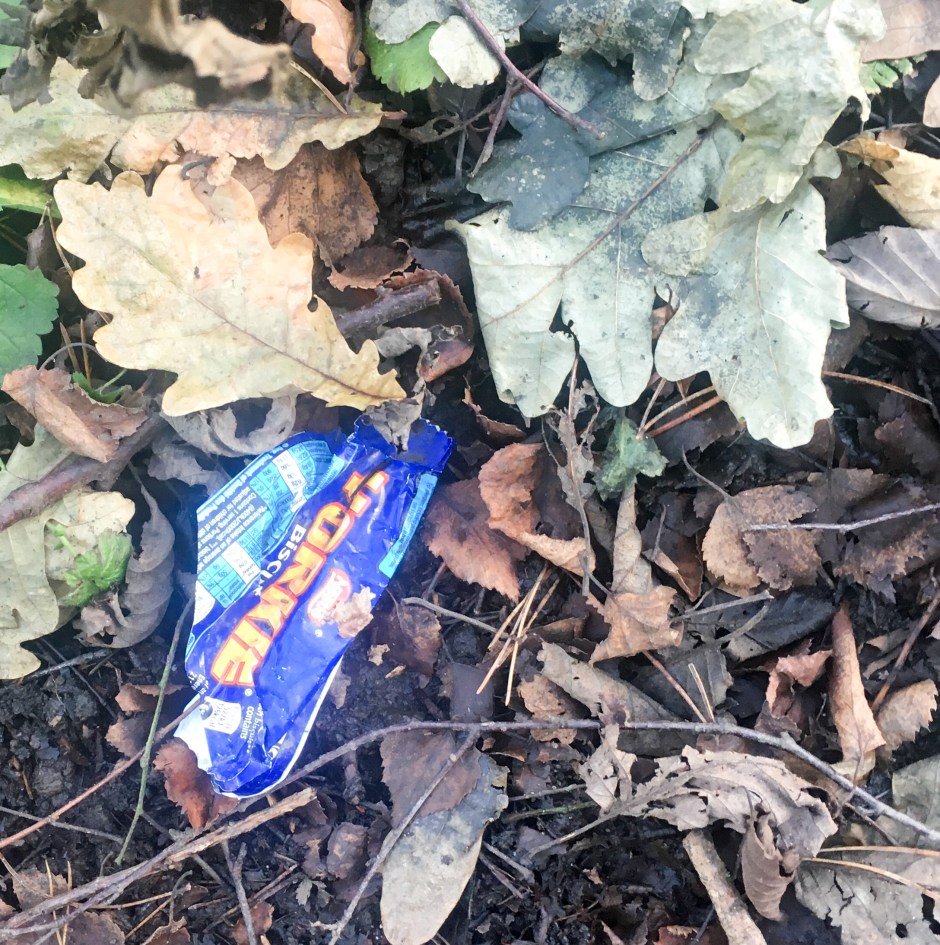
Figure 6 If you see litter just pick it up. be part of the change
B) The harm our discarded rubbish is causing to the life of habitats ( animals) through the digestion of the plastics.
So I challenge you. Next time you see litter, just pick it up, put it in a pocket, a bag or whatever it takes to take it to a bin, out of harm from animals and the environment, if appropriate put it in a recycling bin.
Imagine the positive impact, be part of the growing good crowd.
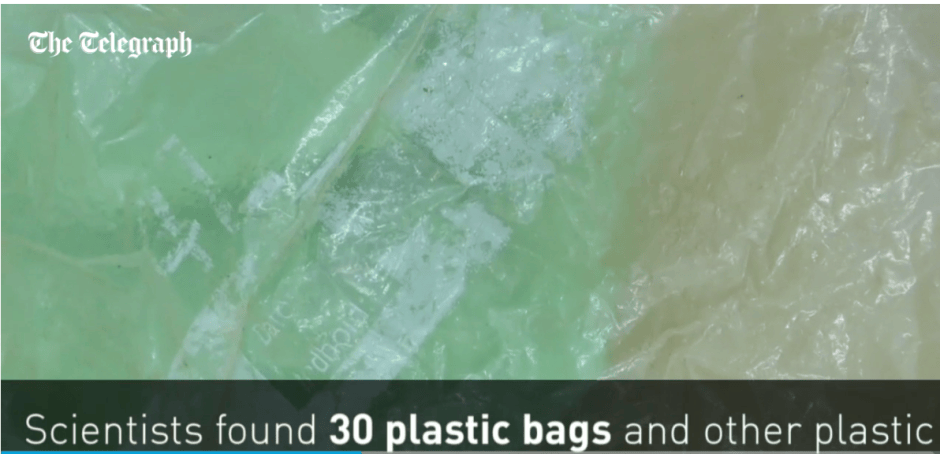
Figure 7. http://www.telegraph.co.uk/news/2017/02/03/whale-found-dying-coast-norway-30-plastic-bags-stomach/
C) The long-term effect our waste is having on the environment through the Leaching of harmful chemicals.
It’s not just the obvious waste either, we all like to point fingers at water bottle companies like Nestle and Coca-Cola, and don’t get me wrong if I had anything to do with it Nestle would be put out of business for their open disrespect for life and their views on what is a human right…according to the director ‘ ‘ not free drinking water.
Like I said it’s not just the obvious waste that is causing huge problems especially for our marine life and coral reefs…. I would like you to look at your clothing.
When I was researching fabrics for a cycling jersey ( yes I love riding bikes) I felt so dumb when the obvious was presented to me! Every time I wash my lycra kit ( yes I’m one of those types of a cyclist) microparticles are washed away, impossible to catch by the washing machine filters or the filters put in place in my case by Yorkshire Water. The micro-polymers are washed straight into our oceans and left to slosh around for thousands of years or eaten, and not digested but just left to sit in the gut of unsuspecting marine life.
Thankfully Peter Lillie owner of GRN sportswear http://www.grnsportswear.com is one of those shining examples of how to do great design. GRN sportswear uses pre-used recycled materials that are broken down and then re-spun into yarn that is then made into technical high-performance sportswear ‘how cool is that?’ although it doesn’t solve the problem of microparticles being washed into our oceans. This is probably why I am interested in the choice of bamboo to make his T’s, as stated on his website http://www.grnsportswear.com, bamboo is fast-growing and uses less water and harmful chemicals than other textile processes.
However, as much as I applaud GRN and the positive direction, The Belgians seem to have cracked it with their innovation in circular design, the seemingly endless use of water and recycling of the nasty petroleum-based dyes in the dying of textile processes.
The reason for this innovation, unfortunately, wasn’t the selfless act of saving our marine life, but was saving money! (EuroNews, 2017)
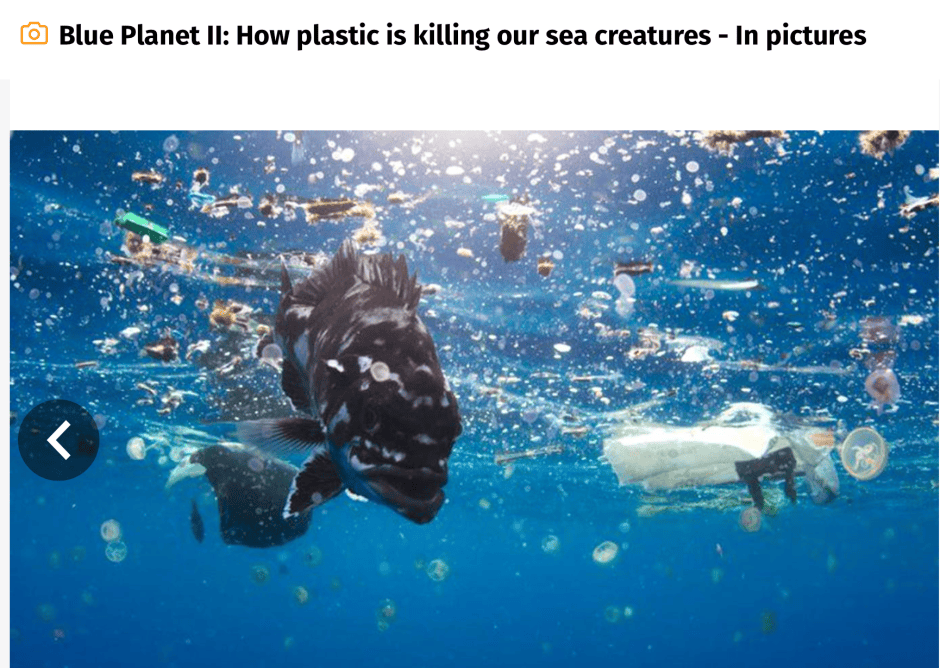
Figure 8 https://www.standard.co.uk/news/uk/heartbroken-blue-planet-ii-viewers-pledge-to-cut-plastic-waste-after-upsetting-footage-of-whale-with-a3695596.html
Like most people I’m busy, so growing my own vegetables and rearing my own meat to eat doesn’t feel possible. Hell, I don’t even feel like I have time to go to the Saturday morning market! which is the only option if I want to buy packaging free food.
This lack of choice of packaging free food is the basis for my ‘bug bare;’ my argument, why is it that as individuals in the U.K we are being forced through the big conglomerates [the supremerkets] to buy food that is wrapped in plastic.
So is it good that we are using and buying recycled and recyclable plastic packaging?
Well according to the ideals of the Cradle to Cradle approach, no it isn’t good, it is less bad, however, if we consider the rest of the implications of buying our convenience products in petroleum-based plastic;
We have the depletion of the major primary resource once it is gone we can’t make more.
The effects on our environment while we still use plastics, as a go-to cheap to use material will continue to be catastrophic.
Examples are the whale starving to death because its stomach was so full of plastic bags.
Our coral reefs dying because of the microplastic particles in the oceans.
Our own hormones are being affected because of the ingestion of chemicals linked to those in the plastic polymers and the effects on birthrate.
The list goes on…
There is just no need for this disregard for our environment. As designers, we have no excuses other than to design for the environment we live [do we ?] and the problems that want solving within the resources that we have, the ones that are good for our environment, the resources that we should be using, resources that aren’t ‘better’ but are good! (Cradle to cradle,2005 loc 557 of 2375)
We have the technology! We can print using vegetable ink.
Ashley House
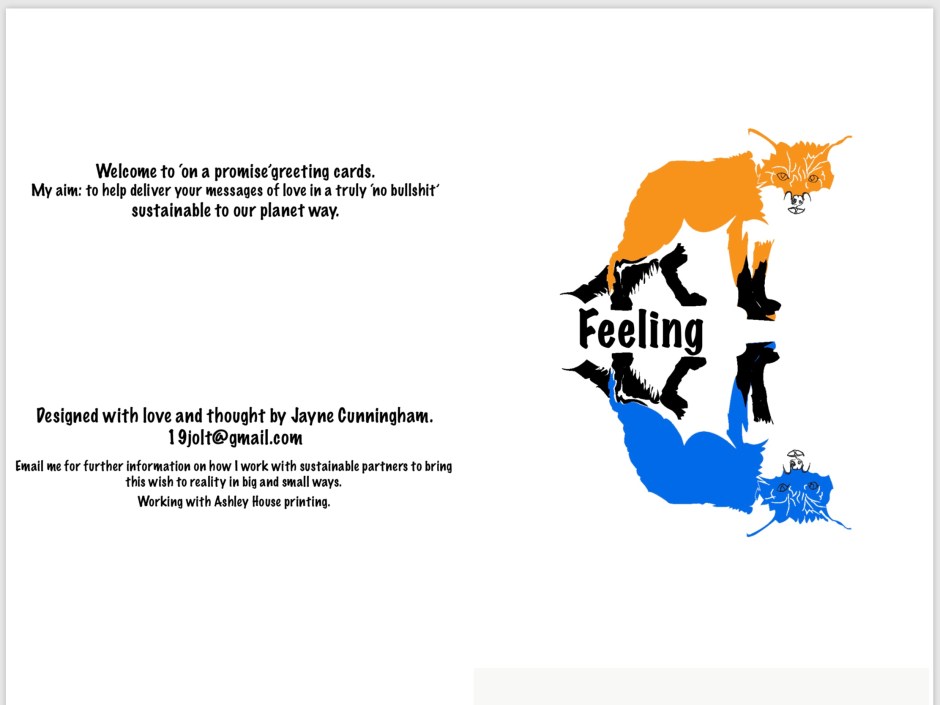
Figure 9. A personal project exploring the ideals of the Cradle to Cradle approach to design.
We have bioplastics, we don’t need to use oil-based plastic packaging.
We don’t need to use trees, to print on. or the wood to build from
We can and should be building our products so they can be disassembled, repaired and rebuilt.
The important minerals and raw materials should be getting harvested from our waste and being fed back into our economy.
Question) So whats the problem?
Answer) Money!
Why? Well, the problem is at the moment producing plastic packaging is cheap.
Our economies aren’t looking past our own very short time on this planet and into the future.
In short, we go shopping and we have few choices other than to buy overly packaged food.
The design innovations just aren’t getting to the supermarket shelves.
Whats the answer?
To be honest I don’t think there is one answer.
I think it is a collection of many different dialogues.
I do know as individuals we need to shout louder.
We need to open our eyes, get out of our mobile devices, and stop thinking just of ourselves and be like in the Netherlands thinking of our neighbours, and what impact our actions may have on others.
If we all thought of how our own acts affected others, would we buy the daily coffee in its hard to do anything with after disposable cup?
Would we buy the bottle of water, and then just throw it in any old bin?
Would we buy packaged food from the supermarket and then just put it in the bin?
As young designers, we need to be challenging the choice and use of materials within our universities, as this is our playground in which to learn experiment fail and learn to succeed.
If you are reading this, what are you going to do to make your difference?
 feet1st
Excellent views,clearly expressed. The solution to consumerism is a long way from gaining political purchase as society is slow to respond. When researching a new version of my product for mass production I discovered a German (obviously) company pioneering a polymer based on lignin; a natural waste material from the paper industry. It’s called Arboform you should take a look Jayne.
https://materia.nl/material/arboform/
LikeLike